



The author is a rising sophomore in Banten, Indonesia
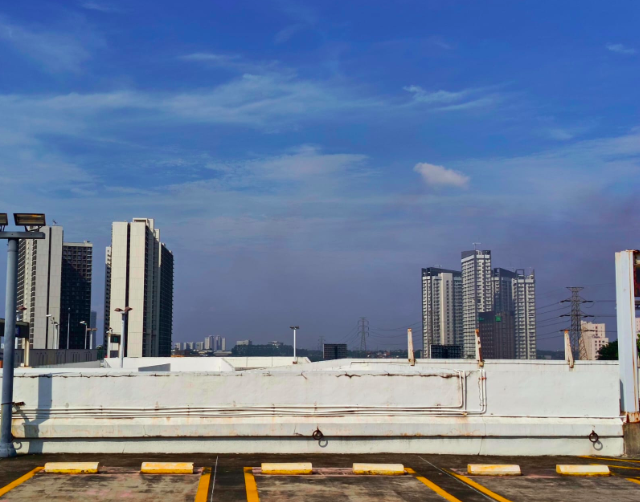
With the plume of black industry haze that combusts and porous slags that linger beneath Jakarta’s atmosphere, the sighting of pristine skies is a rare privilege here―appearing at most twice a month.
As the capital city and economic centre of Indonesia, Jakarta has been one of the most polluted cities worldwide, consistently ranked among the top 10 most polluted since 2023 in the category of ‘Unhealthy’ by World Health Organization (WHO). The air quality often fluctuates between 60 Air Quality Index(AQI), where higher numbers indicate higher levels of air pollution and health risks, in wet season and 150 in dry season. This condition poses serious threats: over 7,000 adverse health outcomes in children, 10,000 deaths and 5,000 hospitalisations per year, and an estimated healthcare cost of US$2.9 billion annually.
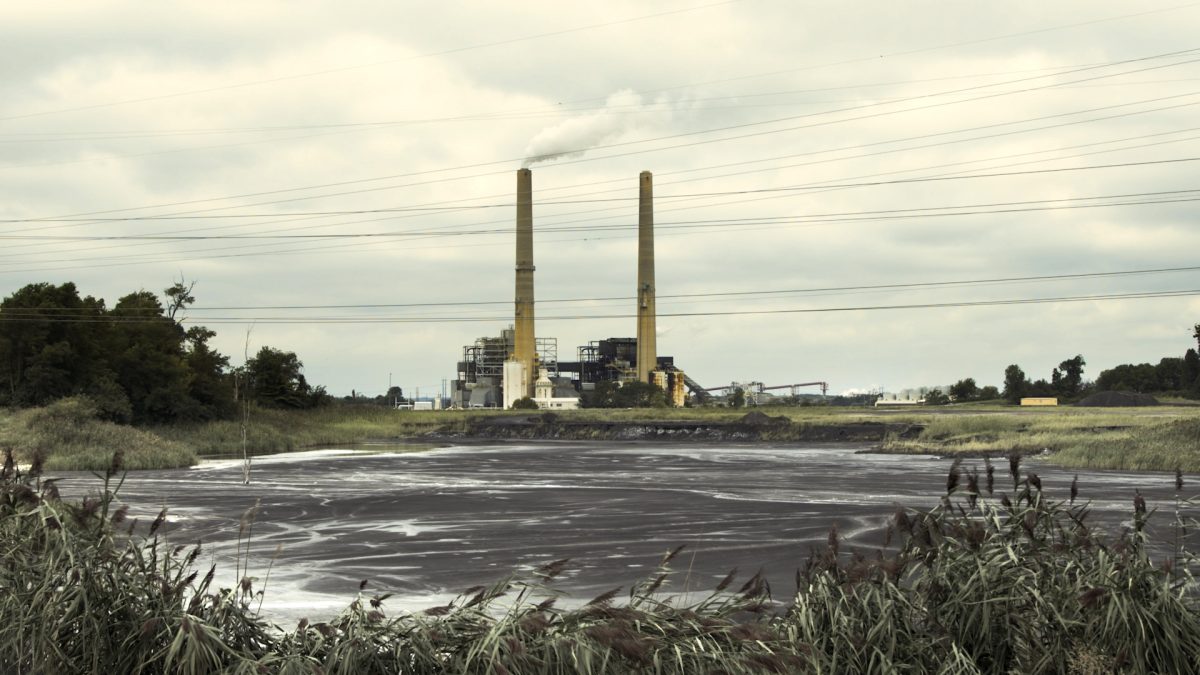
Vehicle exhaust and coal combustion contribute significantly to the worsening air quality. A coal-fired power plant still stands every 100 kilometre radius in Jakarta, igniting the lights of houses while its emission sets the skies aflame. There are 22 power-alike generators, which not only produce nitrogen dioxide and sulphur dioxide, but 400 kilograms of mercury each year―donating a generous percentage of 5 to 31 to the city’s total production of PM2.5, a fine particle matter measuring only 2.5 micrometres, typically consisting waste burning and wildfires smoke.
“If all the media [soil, water, air] is contaminated [with mercury], including the people, we are finished,” said Muhammad Rizali Karliansyah, technical acting Director General for Solid Waste, Hazardous Waste, and Toxic Substances Management.
However, the irony is that the machine we rely on most for mobility is simultaneously the primary factor contributing to our inability to improve the poor air quality―how the machine we utilise for moving forward in life and business results in damages towards our health. In Jakarta, there are over 1077 vehicles for every 1000 residents. This number, nearly five times more than Singapore and Hongkong, is responsible for up to 57% of total emissions in Jakarta, based on a study conducted in 2019.
“Motorized vehicles are one of Jakarta’s pollutant producers, with a percentage of 30-40%,” Yannes Martinus, an automotive observer from Bandung Institute of Technology (ITB) said. “Personal vehicles became the biggest contributor, about 98%.”
Each time the wind blows, cinder hits residents’ faces; every breath feels like suffocating the nostrils with panicky sips of oxygen as the eyes stinged by a blanket of soot. These exposures can lead to numerous diseases: stroke, pulmonary disease, respiratory cancers, asthma and respiratory infections. Short-term health problems like headaches, coughing, chest pain, and skin irritation become daily problems for people who reside in industrial and densely populated districts of West Jakarta. Long-term exposure to pollutants—especially PM2.5 and ozone (O3) significantly increases the risk of premature mortality.
Jakarta’s failure to curb its emissions is deeply rooted in the national government’s misallocated funding and shortsighted, impulsive planning. Instead of investing capital into increasing the reliability and coverage area of public transportations, the administration subsidizes Pertalite and Pertamax. These fuels are not only both notorious for emitting high volumes of carbon monoxide and hydrocarbons, but also burden the total state budget (APBN) nearly IDR 110.5 trillion in 2021. As murk ravages the city, authorities offer nothing but a dystopian celebration―blazing fireworks of subsidized gasoline underneath the dying sky. The Indonesian emission regulations are retained in Euro 2, an international standard that determines the quality of fuels, while the world has transitioned to Euro 4 and 6. The numbers represent increasingly strict legal limits on harmful pollutants produced by cars and trucks, where higher numbers mean newer, cleaner-running vehicles that emit significantly less particulate matter. This regulatory and infrastructure lag highlights not only the prioritization of economy over environment, but also unlawful negligence regarding air quality control.
In the spirit of humanitarianism and empathy for environmental well-being, both Jakarta citizens and the international community should make a stand against air pollution through sustainable lifestyle changes and collaborative advocacy. Local residents should shift to public transportation or electric vehicles and optimise energy consumption. Meanwhile, international citizens and organizations can amplify these efforts by raising funds for clean, alternative energy projects and transferring green technologies. Together, both parties can advocate for stricter government enforcement of air quality, emission standards, as well as unequivocal industrial monitoring on social media.
The sky is limitless, but is confined by pollution. As long as the pollution rampages the very breath and contaminates the very tissues of our beings, the dwellers of Jakarta will continue to pay for their economic progress with their own declining life expectancy. Until systemic change and persistent advocacy has been done to clear the horizon, pristine skies will remain nothing less than a national dystopian dream.
Set the Sky Ablaze: The Suffocating Pollution of Jakarta © 2026 by Youth Environmental Press Team is licensed under CC BY-NC-ND 4.0. To view a copy of this license, visit https://creativecommons.org/licenses/by-nc-nd/4.0/