










The author is a junior at Oxford Academy in California.
Upon prying open the glass-door freezers of the frozen aisle, customers are welcomed with a plethora of choices and shelves filled to the brim with a variety of meats. While picking between an endless variety of meat products, however, consumers might overlook the environmental consequences of mass consumption. Our society continues to demonstrate a heavy desire to consume meat, prioritizing convenience over environmental sustainability. With advancing technology to sustain large populations, the effects are noticed in magnitude of human disturbances, direct or indirect impacts caused by human activity that disrupts ecosystems.
As global food consumption grows substantially, an increasingly harmful human disturbance is overexploitation, specifically the depletion of wildlife faster than the ecosystem is able to regenerate itself. This can come in multiple forms, like overfishing and overhunting. Both result when the demand for a species is higher than the capability of the ecosystem to produce, resulting in a constant decrease in the species population.
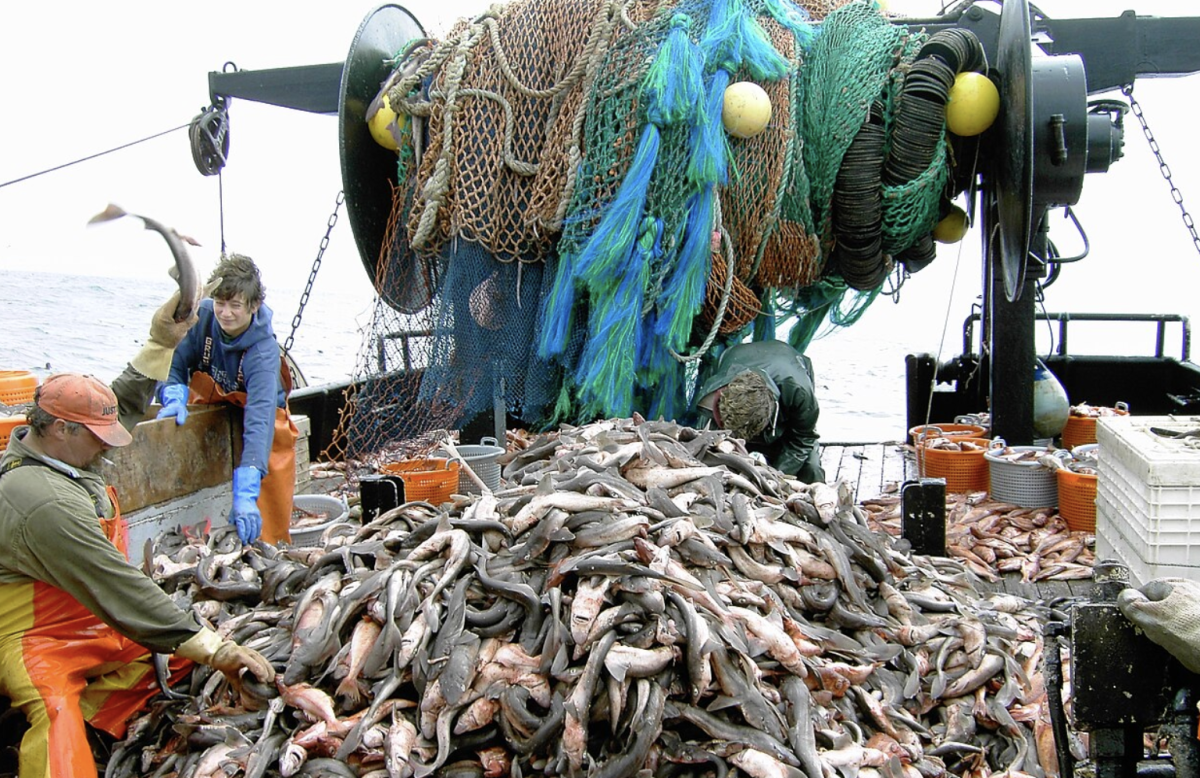
Fishing itself isn’t detrimental to the environment, but certain practices such as bottom trawling can be highly disruptive. Overfishing causes imbalance in marine ecosystems, biodiversity loss, and global food insecurity. As a result, the commercial seafood industry is projected to experience severe declines in availability, as 34% of species are already being exploited past sustainable levels, and 60% are at max capacity. In the 20th century, for example, the Atlantic Cod natural population dclined due to simpler hunting strategies through advancements in technology that made fishing more efficient. The Atlantic Cod was reduced significantly from the 1960s to 1980s. The effects still persist today, as the Atlantic Cod population has yet to recover.
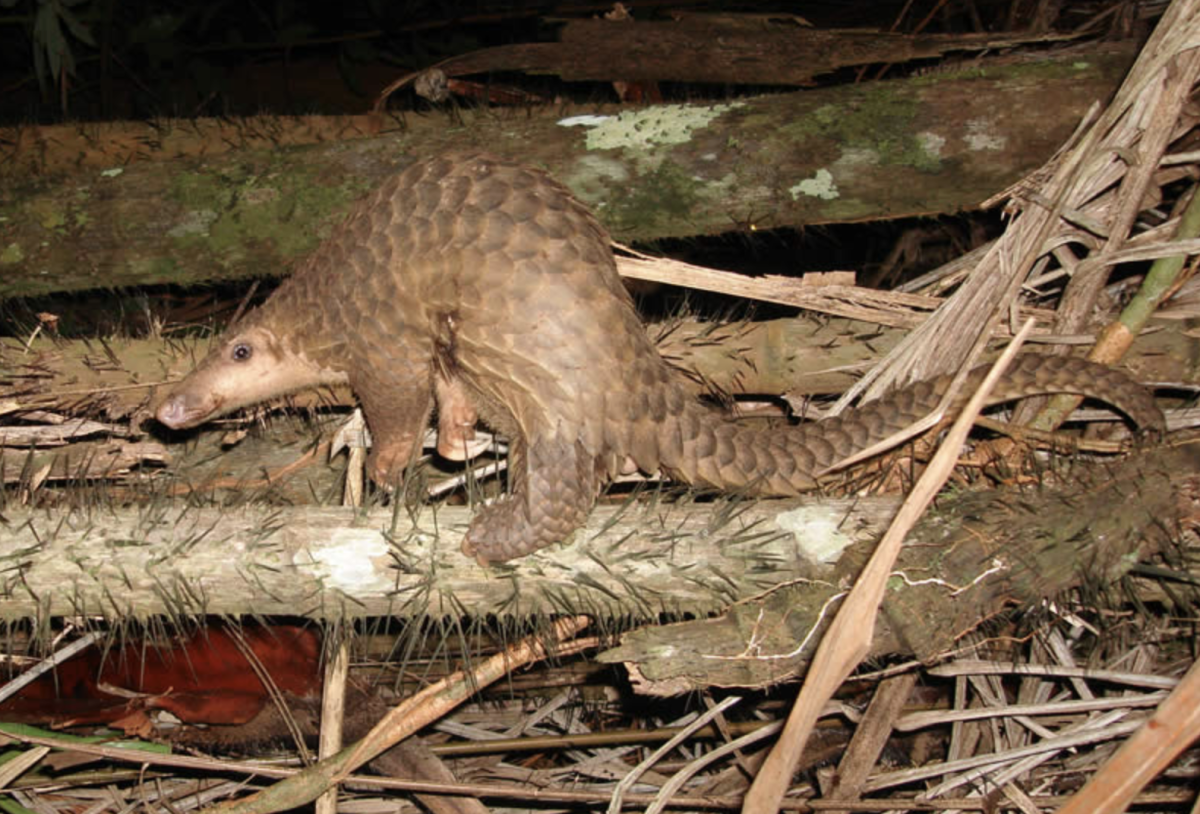
In addition, overhunting threatens keystone species and can trigger a negative domino effect, creating irreparable damages to the ecosystem. Overhunting alters species’ population age structure, decreases biodiversity of an ecosystem, and increases food web imbalances. The pangolin massacre that has been occurring the past two decades illustrates the detrimental effects of overhunting on the rainforest ecosystem. The digital market and globalized economy increased demand for pangolin meat and sparked a massive incline in hunting. As a result, the pangolin population has been reduced by 94% since the 1960s, with an average of 200,000 pangolins captured from the wild annually. As a primary predator of termites and ants, pangolins reduce infestations of vegetation, protecting the ecosystem’s balance of producers and consumers. Furthermore, the pangolin’s constant burrowing habit plays an important role in soil aerating and nutrient cycling. Burrowing is vital to revive fertile soil for plants to grow. Overhunting generates negative consequences that impact ecosystems consisting of various flora and fauna structured around it. Consuming over 70 million insects per year, with a massive reduction in its population results in significant increases in insect population, which can destroy habitats that were once stable with a thriving pangolin presence.
A More Sustainable Diet Can Help
A highly effective method for battling the overexploitation of ecosystems is the adoption of more sustainable diets through food alternatives. The majority of hunting and fishing is driven by the need to feed the growing population. By normalizing consumption of alternative food sources, the burden on the environment will be reduced.
One particular approach can be substituting overexploited species with a more plentiful and sustainable alternative. For instance, tuna is a widely overfished species that could be substituted by a more abundant food source such as mackerel. Mackerel is more plentiful and offers similar nutritional benefits. Similar approaches can be applied for overexploited land species, such as replacing beef with venison or goat. However, it is crucial that substituted alternatives are carefully monitored to avoid being overexploited. It is necessary to balance demand and long-term sustainability. Inventions such as aquaculture, regenerative farming and multi-species systems can diversify food supply and reduce reliance on overexploited animals. Through advancement in aquaculture and sustainable farming techniques, expansion of farmed food sources alleviates the heavy burden on the environment.
Another possible option is integrating more vegetarian choices into daily diet. The traditional production of meat and dairy significantly accelerates climate change. Mass production of meat and dairy contribute to increasing greenhouse gas emissions and deforestation. Currently, political institutions such as the Trump Administration have been intensifying the production of meat and dairy, adding fuel to the already burning fire of climate change. Companies such as Beyond Meat and Impossible Burgers have introduced vegan imitations for widely consumed meat-based products. Unfortunately, many people are hesitant to transition to engineered sources, believing alternatives are not as nutrient-filled or flavorful as real meat, which exemplifies the reason to invest in food science to develop meats that can address hesitation concerns. It is essential that we use food science techniques to create solutions to enhance foods so they have the same amount of nutrients and taste.
Food scientists are developing the ability to replicate flavors, textures, and nutritional profiles of foods, and with continued funding and investigation, they will approach the ability to closely match the taste and nutritional benefits of animal-based food products. Through advancements in food engineering, abundant alternatives such as mackerel and venison, and plant-based meats that can be redesigned to resemble commonly consumed meats in taste and nutritional quality. Government organizations should invest in research and development of sustainable alternatives. Furthermore, they can set an excise tax on overexploited meats and subsidize the sustainable alternatives to encourage sustainable diets. Increasing government regulations creates sustainable nation-wide standards for fishing and hunting.
There is a critical need to adjust our current eating practices to a sustainable approach. It is imperative that we focus on shifting our diet, which is a key culprit of biodiversity loss. Due to the tension between biodiversity preservation and the necessity of nourishing the population, we must begin implementing mitigation strategies that allow biodiversity to coexist with our societal growth.
Food Alternatives to Preserve Biodiversity © 2026 by Youth Environmental Press Team is licensed under CC BY-NC-ND 4.0. To view a copy of this license, visit https://creativecommons.org/licenses/by-nc-nd/4.0/