









The author is a rising junior in Ann Arbor, Michigan.
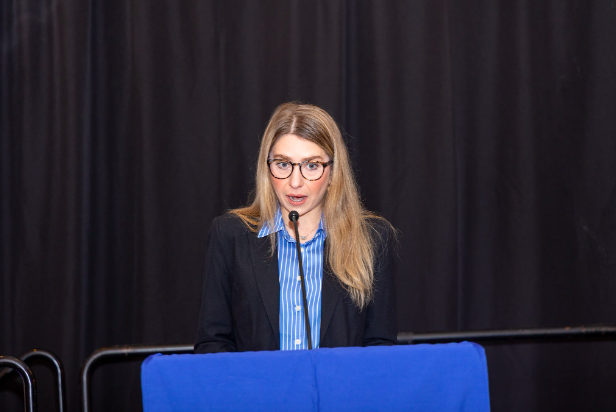
The 2026 Michigan Climate Summit, hosted by the Michigan Climate Action Network, brought together climate, energy and community organizations with the theme of collective courage. In the panel “Courage of Our Convictions,” Francesca Reznik argued that the language of national security can help explain why energy transition is significant to the United States.
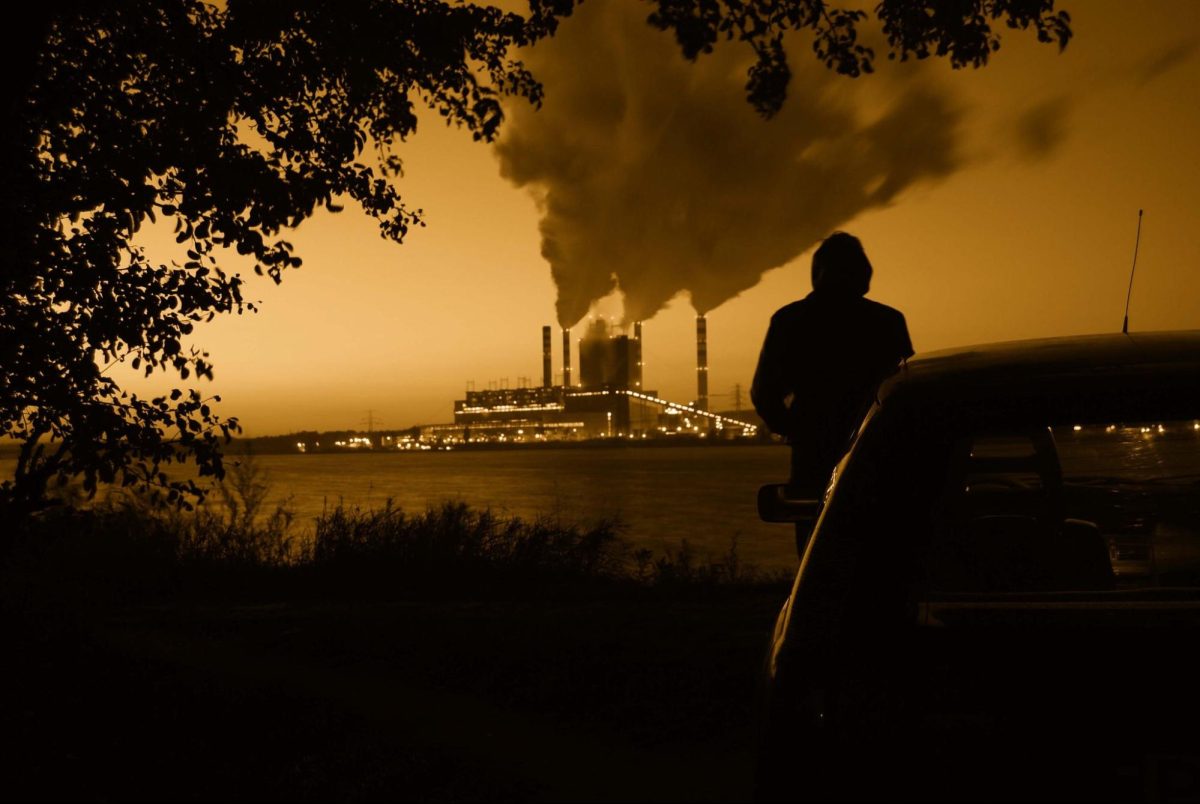
Reznik, a senior associate at Converge Strategies, a specialized consulting firm focused on the intersection of clean energy and national security, spoke during the summit about two security threats she believes are bound together: climate change and dependence on fossil fuels and an outdated centralized electric grid. She claimed that the infrastructure which supplies energy to both personal homes and military operations are increasingly exposed to extreme weather and other variables beyond the control of the national government.
“The clean energy transition is the rare answer that takes on both at the same time,” Reznik told attendees, referring to climate change and fossil fuel dependence.
Reznik’s argument follows a perspective already popular in the defense and energy sector: clean energy is a more resilient energy source that prevents widespread failures when traditional grids are compromised.
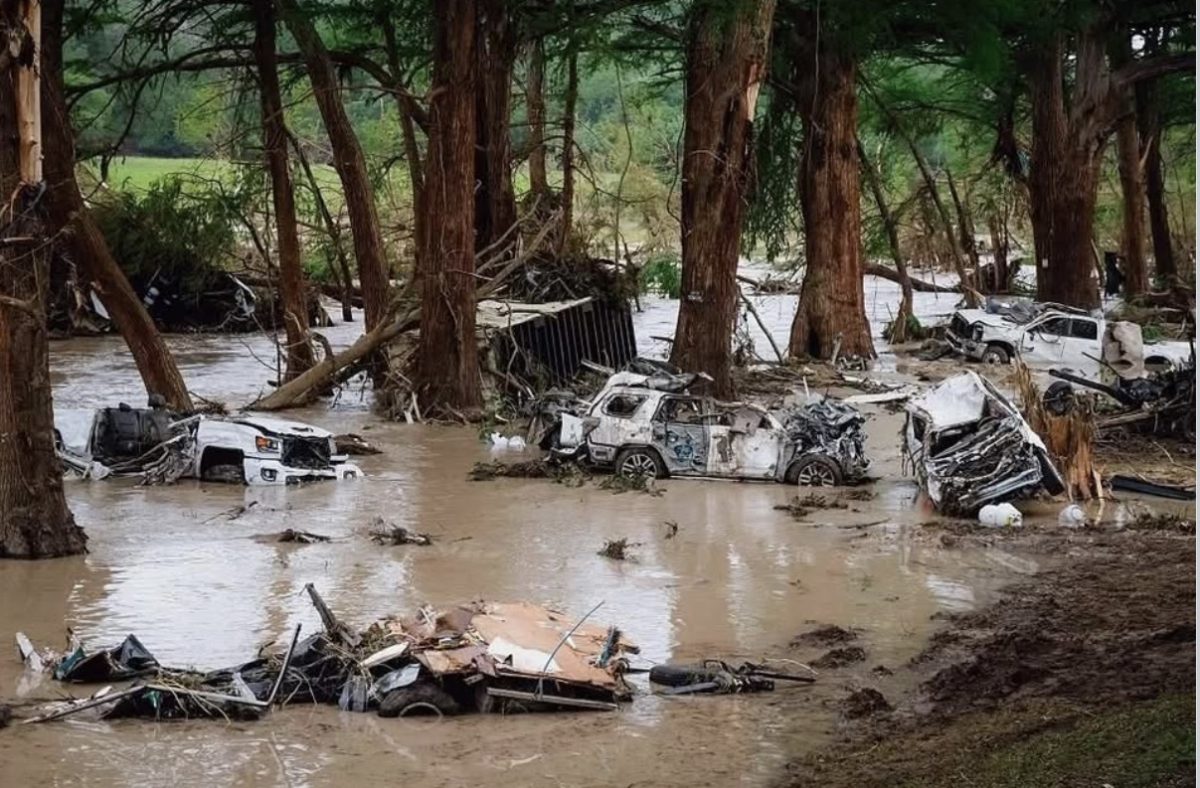
The Department of Defense has treated climate change as a security concern for years, describing it as a “threat multiplier” because of its potential to exacerbate the risks the military already faces, particularly for the power sector. Climate Central found that weather caused 80 percent of major U.S. power outages reported between 2000 and 2023. Michigan, in particular, led the country in major weather-related outages according to an earlier Climate Central analysis covering 2000 to 2019. In 2021, the average Michigan electricity customer experienced 14.6 hours without power, which is about twice the national average according to data from the U.S. Energy Information Administration.
Reznik used this same outlook to explain the connection between climate change and its affect on national security, in that it disrupts military readiness and the electric grid that military bases require.
“The entire domestic military apparatus is also depending on this very same grid to keep the lights on,” Reznik pointed out.
Military bases may have backup power, but Reznik said that backup is limited and dependent on fuel. A contract with a supplier would be vulnerable to the surrounding infrastructure, such as the roads and pumps, which may also be compromised in emergency cases. The same problem extends to the area itself, where service members and their families live in nearby communities and depend on the same grid.
“We cannot ask a service member to keep their head in the fight during a national emergency while their family sits at home with no power and no running water,” Reznik said.
Beyond the problem of sourcing electricity, the concentration of power in larger power generation models has been a major problem. A grid based on large power plants and long-distance delivery can be efficient in normal conditions, but it can also concentrate risk. While issues with substation or transmission lines can cause major disruption, distributed energy (rooftop solar, batteries, and microgrids) can limit the degree of such disturbances of critical services.
“A single missile or storm can take down a substation,” Reznik said. “ Neither can take down a million rooftops.”
She pointed to the broader meaning of clean energy as power demand has continued to rise. The United States is using more electricity, with data centers and electrification stretching the demand. The Energy Information Administration expects U.S. power use to reach new records in 2026 and 2027. At the same time, in May of 2026, solar generated more electricity than coal in the United States for the first month on record, according to Ember.
Although this does not make solar the sole complete defense strategy, Reznik called for more transmission, longer-duration storage and better use of existing power lines.
“Unlike maybe many people in this room, I don’t come from an environmental studies background,” Reznik said. “I have a degree in religious studies, and then a Master’s of Theological Studies from Divinity School, and I think that background is what keeps me grounded in this work.”
Bringing that perspective back to the summit’s core theme, collective courage, she reminded the audience of a fundamental truth.
“Every single tradition on this planet has some type of theology that is grounded in care,” Reznik said.
Michigan Policy Expert Redefines Clean Energy as a National Security Solution © 2026 by Youth Environmental Press Team is licensed under CC BY-NC-ND 4.0. To view a copy of this license, visit https://creativecommons.org/licenses/by-nc-nd/4.0/