



The author is a junior at Oxford Academy in California.
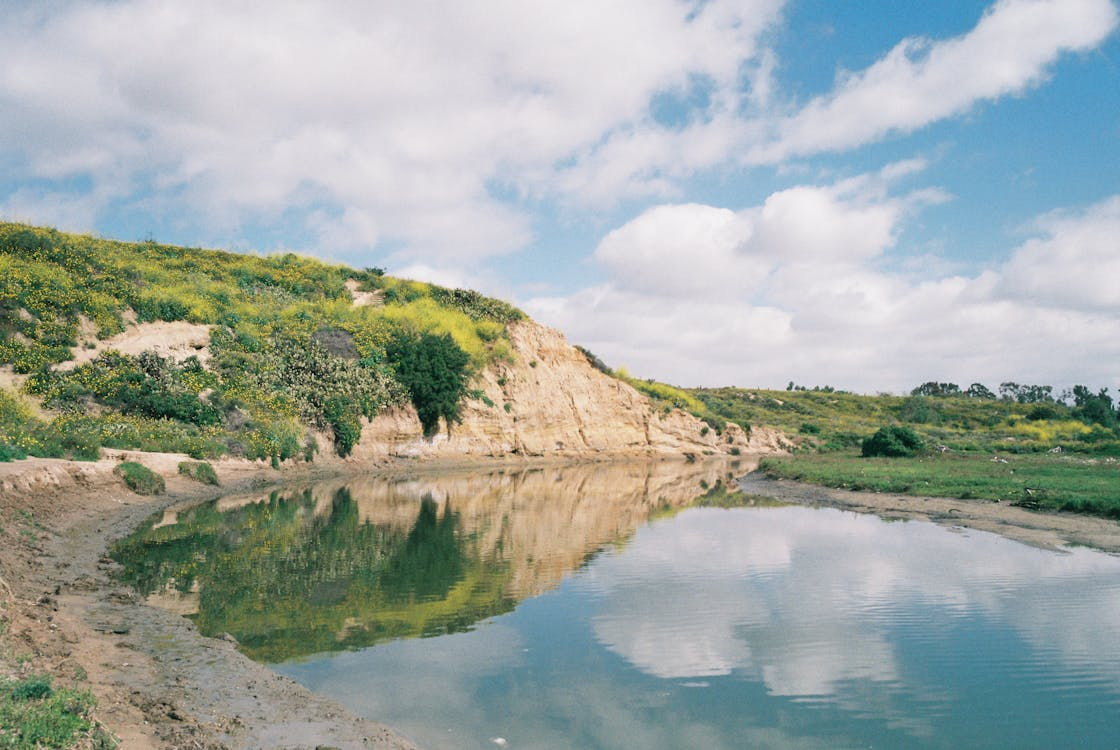
As migratory birds glide across the horizon, fish shoot through the water, and aquatic plants sway along the waters of the Newport Bay estuary, a daunting issue looms just beyond the coastline of the bay: a wave of coastal development threatens the environmental sustainability of the Newport Bay Conservancy in Newport Beach, California.
The Friends of Newport Bay was established in response to the Irvine company’s attempt to urbanize upper Newport bay in 1967. Friends of Newport Bay argued the company had no right to privatize public property, and made efforts to prevent the privatization of the bay, succeeding in protecting the property for public use. In 2000, the organization merged with the “Upper Newport Bay Naturalists” to become the Upper Newport Bay Naturalists & Friends, eventually being renamed as the Newport Bay Conservancy in 2010. Since then, the conservancy has had a strong mission to make an ecological impact in Upper Newport Bay through education, restoration, research, and advocacy. The Newport Bay wetlands are vital since they act as carbon sinks and nurseries, as well as being a coastal estuary where freshwater and saltwater mix.
“The leading reason for endangered species in the area is the loss of habitat. The coastline, once fully protected, has been diminished to 10% of what it once was,” Operations Director at Newport Bay Conservancy, Heather Cieslak, said.
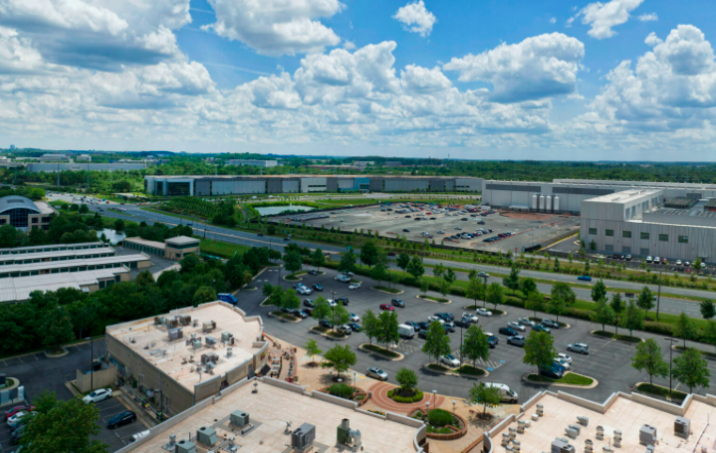
As of April 2026, the California Coastal Commission approved the City of Newport Beach LCP Amendment No. LCP-5-NPB-24-0032-2 (Housing Overlay), prioritizing housing over ecological protection. This amendment approved the expansion of urbanization to the edge of the coastline, leaving no buffer zone for the conservancy’s boundary lines except for the Newport golf course. In the past, the Coastal Commission had to approve any major development in the state, but in order to speed up developments, several cities adopted a less regulated program. Through Local Coastal Programs (LCPs), cities simply submit a coastal development plan that outlines land usage, and once the Coastal Commission approves the outline, the authority shifts from the state to the local government.
The growing fear of the Newport Bay Conservancy and similar organizations is that the city will likely prioritize revenue and economic growth over environmental sustainability. With the Housing Overlay approval, there will be a potential addition of 600 homes and 400 condominiums built directly up to the property boundary line.
“Nature, both humans and animals, can’t be limited by boundaries,” Cieslak said. “With the approval of the proposal, these buildings can be built right up to the coast, where humans will likely cross the border and can harm many important habitats. There is plenty of space within the city of Newport Beach to build homes outside the coastal zones, but they still chose to approve the development in environmentally threatening areas.”
Furthermore, this proposal contradicts the prior regulations established by the Newport Bay Conservancy to protect their wildlife.
“The conservancy has proper buffer regulations for species protection, such as a 25 foot buffer for just a hummingbird nest, or a 500 foot buffer for any endangered species when working on projects within the conservancy,” said Cieslak.
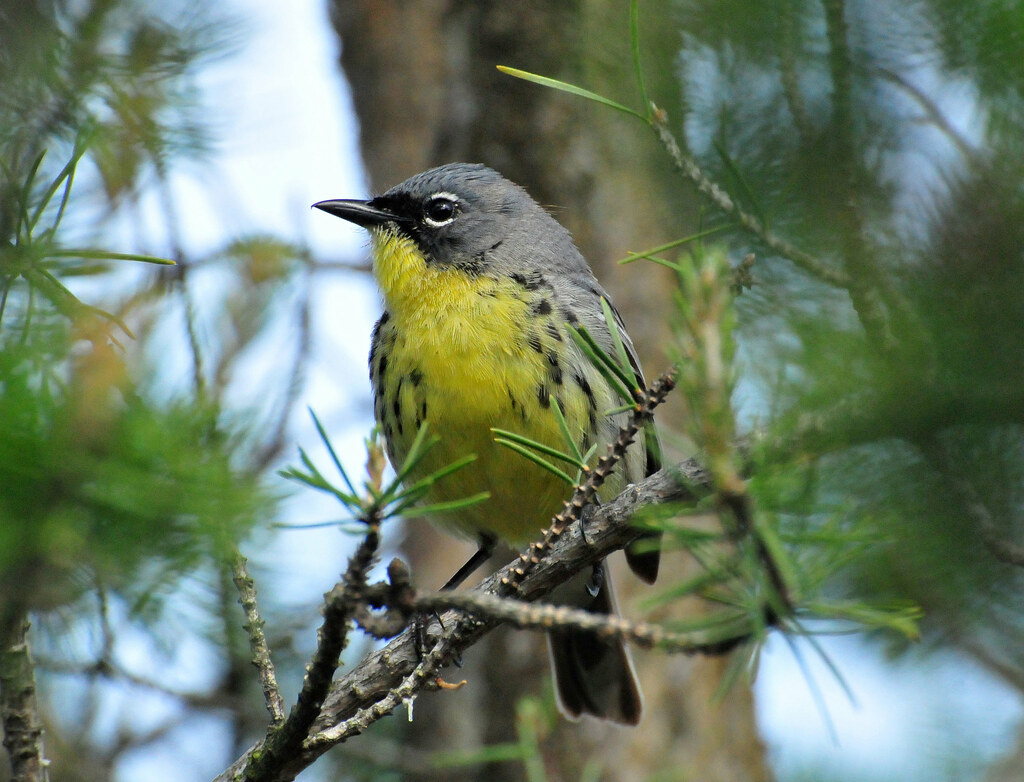
With the city’s approval of fully eliminating the buffers along the conservancy’s boundary lines, with the exception of just one zone, many species in the conservancy are at direct risk of human disturbance. Some plants such as cordgrass and pickleweed found in coastal marshes are at particular risk. These species are vital to the environment as they serve as a habitat for various organisms such as nesting birds, rodents, invertebrates, and fish. With extended urbanization, these plants are being removed or damaged, leaving these organisms with destroyed habitats. Furthermore, birds such as the Light-Footed Ridgway’s Rail and the Belding’s Savannah Sparrow, two species of birds that primarily reside in Newport Bay, are also at risk. The bill will deprive them of the proper nesting spaces and resources needed to maintain a steady population. Evidently, the approval poses a direct threat to the biodiversity and protection of the species in the Newport Bay Conservancy.
“The best course of action for the conservancy is to continue to follow through on their previously promised conservation efforts,” Cieslak said. ”At the same time the Conservancy can begin approaching scientists, lawyers, and coastal partners to try and appeal this approval from a state level.”
There is a precedent where the city of Newport Beach was able to overturn the decision of an approved surf park that threatened the coastal buffer zones with a referendum from the city with over nine thousand signatures. This precedent offers a glimpse of hope for the conservancy to take a similar approach to appeal the decision and protect their environment. But, if the decision cannot be altered on a state level, things may take a turn for the worse. The conservancy would then have to fight each individual development on a local level, battling to prevent the expansion of housing into the partial buffer zones.
“The silver lining though,” says Cieslak, “is that the economy is now expensive for developers so urbanization will be gradual due to the rising costs of shipping, tariffs, and supplies.”
Moving forward, it will be important to observe how the conservancy acts upon this proposal’s approval and attempt to instill a balance between urbanization and ecosystem protection in the city of Newport Beach.
Newport Beach Housing Overlay Approval Threatens Environmental Sustainability © 2026 by Youth Environmental Press Team is licensed under CC BY-NC-ND 4.0. To view a copy of this license, visit https://creativecommons.org/licenses/by-nc-nd/4.0/