








The author is a rising sophomore in Chantilly, Virginia.
Artificial intelligence is becoming a growing presence in everyday life, both in Virginia and all around the world. But while people use AI to get answers, write essays, or save time, many aren’t aware of the hidden cost of using artificial intelligence. The servers that power AI use a lot of electricity and water, creating a lasting negative effect on the environment.
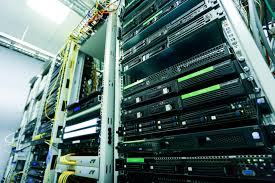
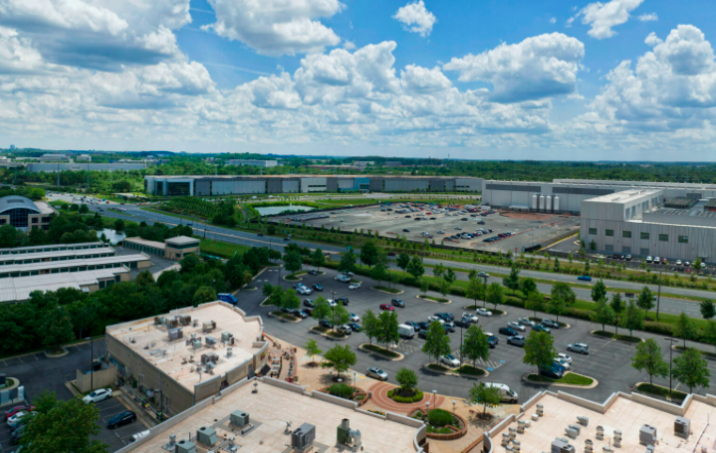
Northern Virginia has become one of the biggest data center hubs in the world. Data centers are the buildings that store and run the technology behind AI. Every time someone uses an AI tool, those data centers have to process the request, which uses energy and water to cool the data centers down (cooling systems).
According to the International Energy Agency, data centers around the world used about 415 terawatt-hours of electricity in 2024. That was about 1.5% of all electricity used globally. In the United States, data centers used more than 4% of the country’s total electricity output that year. Goldman Sachs also estimated that AI could cause data center power demands to increase by 165% by 2030.
A lot of that electricity still comes from fossil fuels. The Environmental and Energy Study Institute says 56% of the electricity used by U.S. data centers comes from coal, natural gas and other fossil fuel sources. That means AI is not just using more power; it is also adding to pollution. Pew Research Center found that data centers could raise the average American electricity bill by up to 8% by 2030. In places with many data centers, like Virginia, the increase could be even higher. Because the U.S. power grid is shared, nearby communities may end up bearing some of the increased energy demand and costs, even without directly benefiting from the data centers.
Water is another major problem. Data centers need huge amounts of water to keep their servers from overheating. The Environmental and Energy Study Institute found that a single large AI data center can use up to 5 million gallons of water per day. The institute also reported that Northern Virginia data centers used close to 2 billion gallons of water in 2023, a 63% increase from 2019.
These statistics are a big deal for Virginia, where water is a shared resource. More water for data centers means less water for homes, farms and wildlife. It also raises questions about how much growth the state can handle.
Additionally, AI affects the climate because of carbon pollution. A study published in ScienceDirect found that AI systems produced between 32.6 and 79.7 million tons of carbon dioxide in 2025. The same study said AI-related water use could reach between 312.5 and 794.6 billion liters. These numbers show that AI is not just a digital technology. It has real-world effects.
In an interview, Zelalem Amenshowa, a University of Virginia graduate, said AI has become “a collaborative tool that enhances human productivity, creativity and decision-making rather than simply automating tasks.” She added that she expects AI to become “more personalized, accessible and integrated into everyday work and life.” She also said she thinks there will be “stronger governance around responsible AI” and a greater need for “AI literacy.”
That shows AI is likely to keep growing, which makes it even more important to think about its effects. Some companies are working on better cooling systems that use less water, but experts say more transparency is still needed. If Virginia keeps expanding its data centers, it is important to know what the growth of artificial intelligence is costing the environment.