
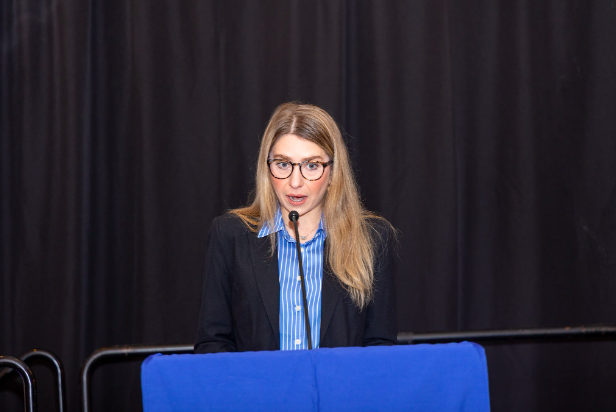


Tamar Grobman is a junior from Miami, Florida and YEPT’s Florida Director.
Currently, beaches are among Florida’s greatest tourist attractions. But while eager visitors rave over boardwalks and beach volleyball, they ignore the poison that continues to plague the state’s waters: plastic waste.
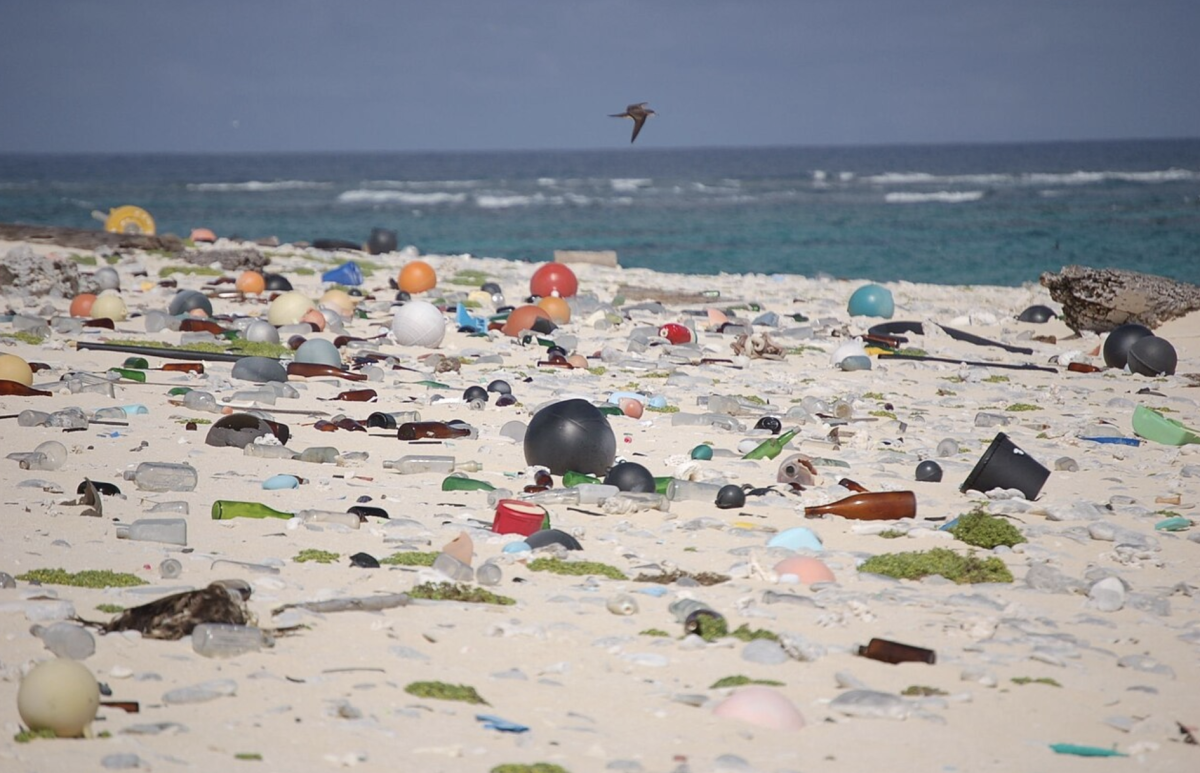
An estimated 7,000 tons of plastic are dumped into Florida’s ocean every year. Given that Florida is the third-largest producer of plastic waste in the country, this comes as no surprise… and nor should the impact of plastic waste pollution on human life and local ecosystems. Plastic waste, especially in larger amounts, may come at the expense of public and animal health.
A study by the University of South Florida estimates the number of microplastics in Tampa Bay to be 4 billion. In Florida’s Indian River Lagoon, as indicated by the University of Central Florida, the number of microplastic bits that “rain down daily” into the water has climbed to 1.1 trillion. These microplastics eventually make their way out of the water and into the bodily systems of unassuming humans and marine organisms.
In light of this, researchers such as those at the 5 Gyres Institute, a leading institute for advocacy and research on the plastics crisis, have taken the initiative to study the pathways involved in microplastic exposure.
“One of those [pathways] might be through food and beverage consumption, from plastic water bottles or the heating of products in plastic containers,” stated Nick Kemble, the Programs Manager at 5 Gyres. “But another really common avenue is through inhalation.”
Recently, 5 Gyres has undertaken the project of exploring the microplastics shed from laundromats and dryers.
“Areas that are around laundromats or the areas that are very proximal to where you might have a dryer, those tend to have really high concentrations of microplastics,” he said. “The polyester and other plastic-based clothes that we have are heated, and those fibers are shed and ultimately released into the air.”
In the state of Florida, the institute’s developing research has focused on the relationship between microplastics and larger macroplastics.
“We’re doing microplastic sampling along the Florida coast in 10 locations to see if there’s any relationship between the macroplastics–those are the water bottles and the other products that pollute our environment–and the microplastics that are being found in the sand,” Kemble said.
In addition to inhalation and consumption, there are other forms of microplastic absorption which may come across as less obvious. One example of such a pathway is pregnancy.
“There is continuing research being published on impacts for babies during pregnancy,” noted Kemble. “There is evidence that microplastics are transferred from the mother to the fetus, and research being done on how that affects fetal development, particularly brain development.”
A study published under ScienceDirect, titled “Examining the hidden dangers: Understanding how microplastics affect pregnancy”, suggests that while the impacts of microplastic exposure on fetal development are still being studied, “MPs” may pose “detrimental effects on the female reproductive system.” This is due to the fact that they “can accumulate in the ovaries, leading to a reduction in the growth of follicles, decreased levels of anti-Mullerian hormone (AMH), estradiol, and irregular estrous cycles.”
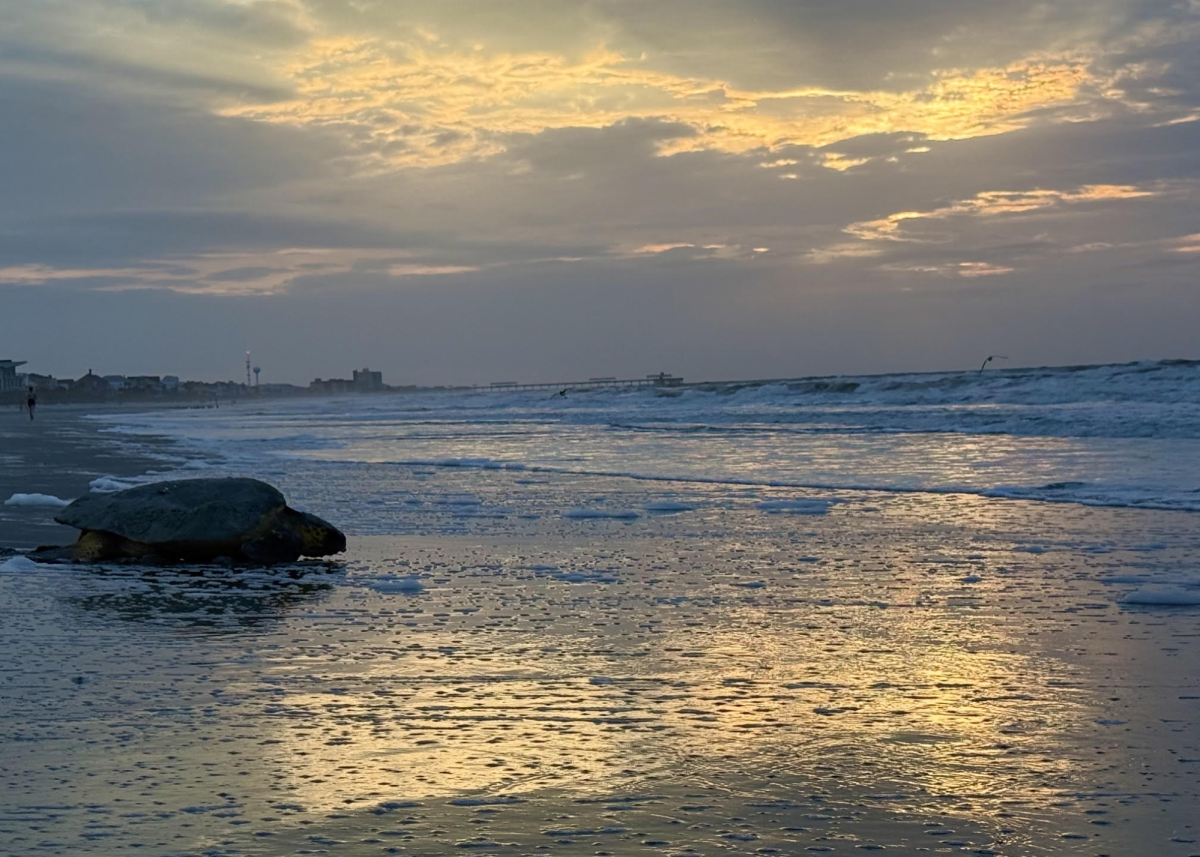
In addition to human microplastic exposure, Florida’s increasing rate of plastic waste pollution has threatened the stability of its ecosystems. Along the Atlantic coast of Florida, a hotspot for sea turtle nesting, encounters with plastic waste are nearly universal.
“100% of hatchling sea turtles that enter Loggerhead Marine Center’s sea turtle hospital have plastics in their stomachs,” says the Loggerhead Marinelife Center, located in Juno Beach, FL. Plastic waste is commonly mistaken for food by sea turtles and can cause disastrous side effects upon ingestion. These effects include damage to internal organs and intestinal blockages that prevent feeding.
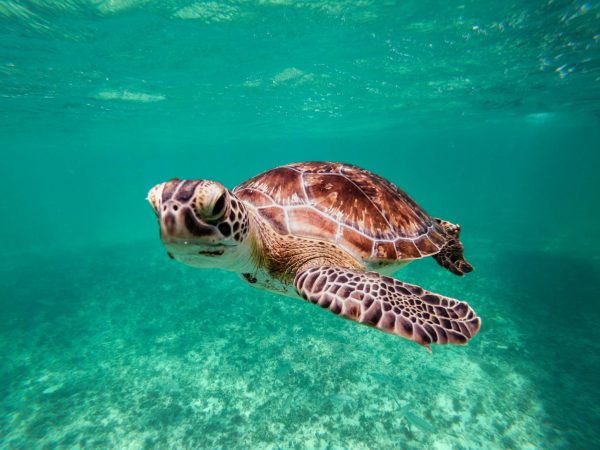
For Florida’s marine mammals and birds, the results are just as staggering.
“Several dolphin and whale species that inhabit Florida’s waters were also found with plastics in their guts, including 32% of sperm whales, 14% of Risso’s dolphins as well as rough-toothed dolphins, 11% of common dolphins and 8% of bottlenose dolphins,” reports an article by Ocean Conservancy, an advocacy group based in Washington, D.C. The organization further highlighted seabirds as a group particularly vulnerable to the effects of plastic pollution, as even miniscule amounts of plastic are capable of obstructing their intestines.
To mitigate the effects of this pollution on the residents, animals and ecosystems of Florida, researchers and advocates alike have called for locals to do their part in reducing their own reliance on plastic.
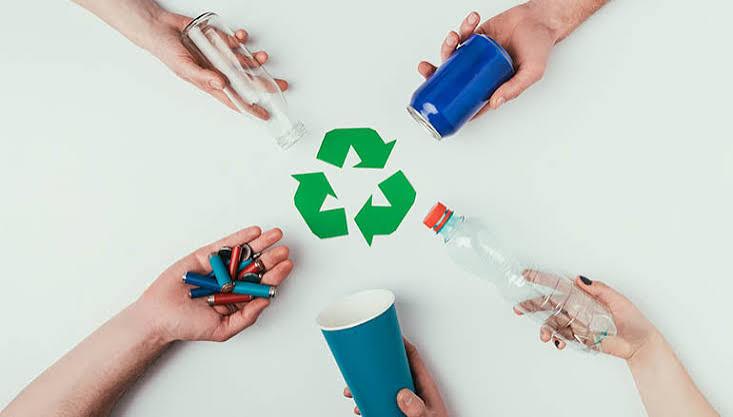
“There are some really easy and quick to-do steps that individuals can take just to limit their own individual and their family’s microplastic exposure,” said Kemble. “Think about ways within your life that you can start to switch to reusable systems and just buy less plastic overall. That includes the textiles and the clothes we wear, to switch to natural fibers, rather than plastic materials.”
He further noted that “bioplastics”, such as “algae-based” and “sucrose-based” plastics, “are a bit less detrimental and are reducing in price point quite significantly” in comparison to petroleum-based plastics. Bioplastics are derived from natural, renewable sources and are associated with increasing resource efficiency and producing a lower carbon footprint.
Aside from utilizing alternative materials, Kemble shared that 5 Gyres has been increasing its participation in combating the plastics crisis by forming partnerships with local organizations.
“We have a footprint all throughout the country, with a strong emphasis in California and Florida, where we work with a lot of different groups and a lot of coalitions to try to advance policy again at the local and state level,” he said. “We built out some local partnerships, such as Clean Miami Beach” and “Keep Florida Beautiful.”
The institute also encourages national advocacy through its Capital Oceans Week. This initiative aims to bring the “lobbying effort toward D.C. and try to push forward the policy agenda when it comes to plastics.”
Other environmental groups have taken similar measures to promote their cause. From September 2022 to August 2024, the NOAA supported partners in training Miami-Dade youth to stand against the plastics crisis. The Surfrider Foundation has worked continuously with Floridian legislators to ensure a safer, environmentally sustainable future for the state.
Reducing the spread of plastic waste, especially in a high-reliance area such as the state of Florida, is not an overnight effort. But Floridians are working to demonstrate that when governments, advocates, scientists, and citizens coalesce with the idea to keep their home alive.
Florida’s Hidden Crisis © 2026 by Youth Environmental Press Team is licensed under CC BY-NC-ND 4.0. To view a copy of this license, visit https://creativecommons.org/licenses/by-nc-nd/4.0/