









Gelman is a high school senior in Colorado.
The human race is no stranger to conflict. Human beings have waged war against one another for thousands of years. However, the ways in which humans wage war have significantly changed since the Industrial Revolution, when war expanded from limited engagement to “total war,” where the full industry, economy, and population of a country are utilized. Industrialization has also led to the expanded use of large bombs, chemicals, and transportation systems in warfare, leading to disastrous consequences for the environment.
Before the First Strike
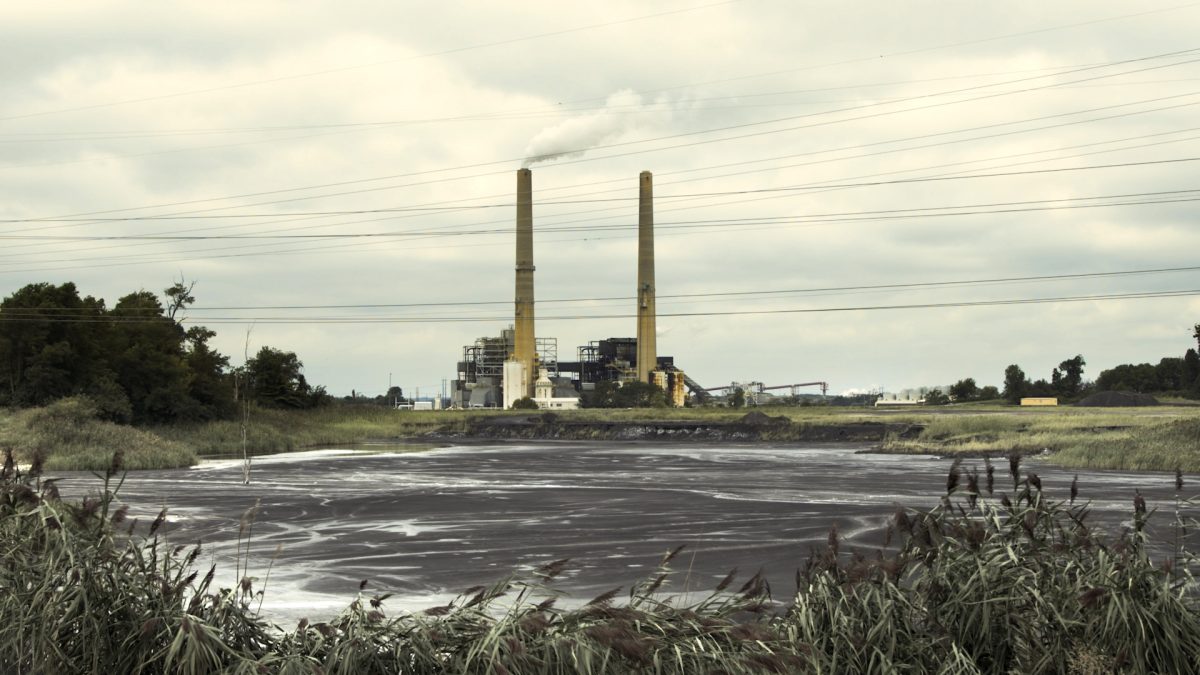
Even before war breaks out, the environment suffers. The construction of modern weapons requires minerals, chemicals, and fuels. that must be extracted from the environment. Building and sustaining large standing armies also consumes large amounts of resources. In fact, militaries are estimated to be responsible for 5.5% of global greenhouse gas emissions. The United States Armed Forces, which contains the world’s largest air force and navy, is the world’s greatest institutional consumer of oil, consuming 320,000 barrels of oil a day.
The ghosts of past acts of standing armies also continue to haunt the environment. In the United States alone, there are more than 11,000 military dump sites containing a plethora of explosives, dangerous chemicals, and heavy metals. Approximately 900 of the United States’ 1,300 super-toxic “Superfund” sites can be traced to its military.
Unfortunately, due to a loophole in the 1997 Kyoto and 2015 Paris climate agreements, militaries are not legally required to report their emissions. However, the Conflict and Environment Observatory (CEOBS) estimates that if combined into a country, the world’s militaries would be the fourth-highest emitter of greenhouse gases, more than Russia.
The Effects of War
During times of peace, armies still do their fair share of damage to the environment, but it is during active warfare that they inflict the most destruction. Bombings, artillery, and urban combat destroy buildings, roads, and ecosystems, and leave debris, which often contains hazardous materials and unexploded devices that can remain dangerous for years. Furthermore, many weapons contain heavy metals, depleted uranium, and toxic chemicals that contaminate soil, water, and vegetation long after they are used.
Air pollution is another major consequence of war. During the 1991 Gulf War, hundreds of oil wells were set on fire, releasing pollutants into the atmosphere and affecting air quality across the entire region. Similar damage can occur when chemical plants or industrial facilities are attacked, releasing dangerous substances into the environment and creating long-term health risks.
War doesn’t just degrade the environment and harm people. It also contributes to climate change. For example, the first three years of Russia’s invasion of Ukraine produced an estimated 230 million tons of carbon dioxide emissions, which is the same as the annual emissions of Austria, Hungary, Czech Republic, and Slovakia combined. These emissions are not just from direct military activity but also indirect sources like supply chains and weapons production, though those types of emissions are often harder to measure.
When the Smoke Clears
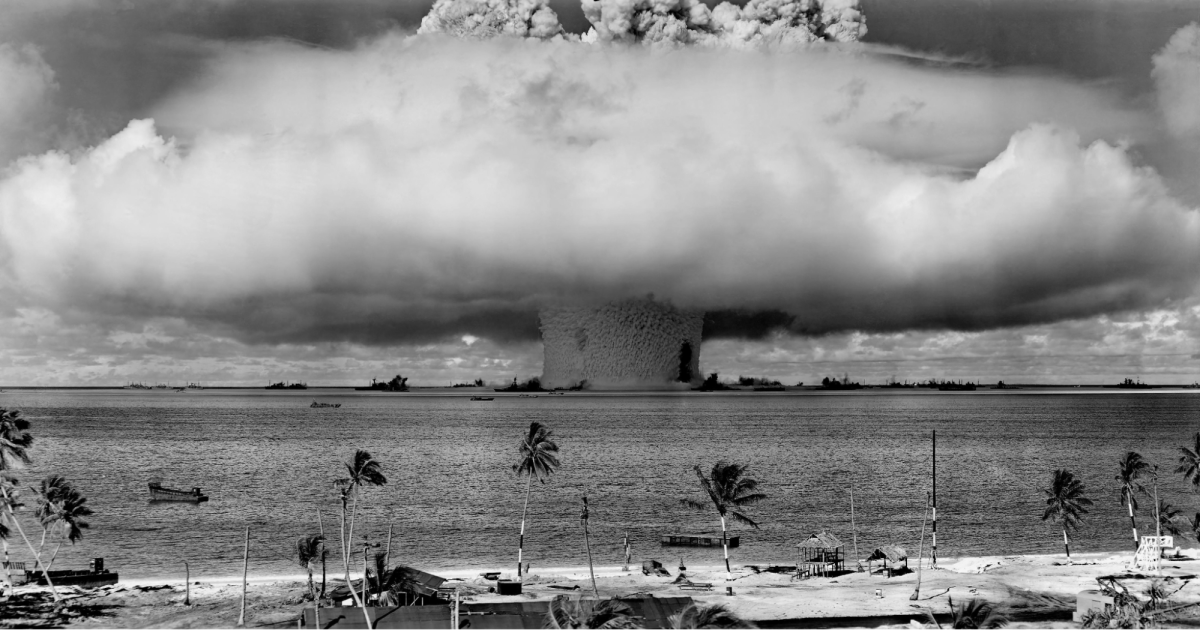
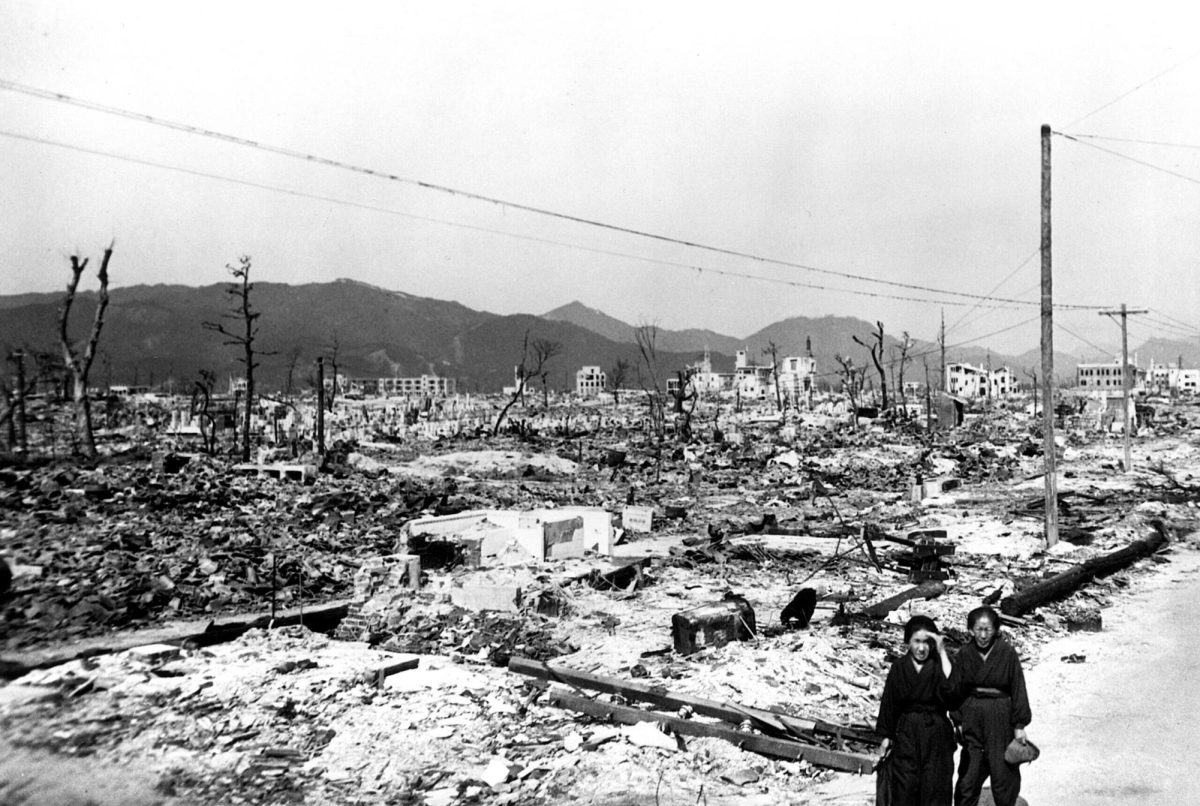
Even after fighting ends, the environmental damage caused by war does not disappear. Contaminated land, polluted water, and landmines can remain for decades, making former combat zones unsafe. For example, the Red Zone in France has been deemed too contaminated and dangerous for habitation or agriculture since the end of World War I. The nuclear bombings of Hiroshima and Nagasaki also caused extensive environmental damage, some of which can still be seen on Hiroshima’s beaches today.
Not only do munitions have lasting effects on the environment, but bases in war zones have also been linked to oil spills, chemical leaks, and environmental contamination. For example, base burn pits, which are often used to dispose of military waste, like vehicles, release harmful pollutants affecting soldiers and civilians long after war has ended.
While clearly not enough is being done, the environmental impacts of war have actually been known for years. The 1992 Rio Declaration stated that warfare is inherently destructive to sustainable development. However, there is still a lack of accountability for military emissions and environmental harm, which allows much of this damage to go unreported and unrepaired.
One thing that may change this lack of accountability is growing recognition that environmental damage can create future security risks. A 2014 Pentagon report highlighted climate change as an immediate threat to national security, acknowledging the idea that environmental instability and resource scarcity can lead to conflict; as war damages the environment, that exact type of environmental damage increases the likelihood of future war.
The environmental effects of war do not simply start and stop with the fighting. They continue in the form of polluted landscapes, damaged ecosystems, and long-term health risks. The greater our understanding of these impacts, the more we can work to reduce environmental damage, improve military accountability, and prevent future conflicts.
The Environmental Impact of War © 2026 by Youth Environmental Press Team is licensed under CC BY-NC-ND 4.0. To view a copy of this license, visit https://creativecommons.org/licenses/by-nc-nd/4.0/