








The author is a high school senior in Pompano Beach, Florida.
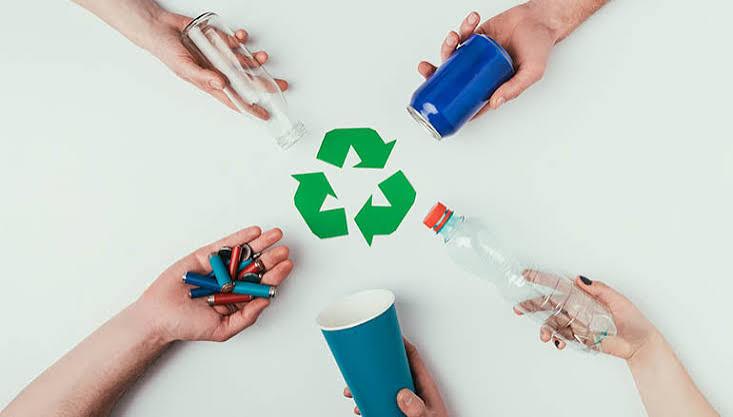
Recycling is a very common process that many have adopted. However, most people organize their trash by separating items in a rush—one in the blue bin, one in the brown, one in blue, one in brown… But, have you ever wondered if the item you put into the blue bin can even be recycled?
Though you may not be aware of it, it’s likely that you are actively participating in something called “wishcycling.”
Wishcycling occurs when an item is placed into a recycling bin without actual confirmation about its recyclability. By carelessly doing so, people “wish” that the item they discarded will magically end up in the right place.
The Urban Ecology Center (UEC) describes wishcycling as an act that “temporarily ease(s) our guilt.” At the moment, you may believe that you are doing your part in reducing pollution and keeping the planet safe. However, did you ever consider the negative effects of recycling incorrectly?
Naomi Canter, a local mailwoman of Pompano Beach, Florida, says “I never knew about wishcycling or that I was even doing it.” While she describes herself as someone who cares about the environment and believes in the importance of recycling, she was unaware of the harmful contributions she may have made.
Many people may find themselves contributing to wishcycling even though they originally had admirable intentions. The Western Washtenaw Recycling Authority found that people oftentimes “believe it is better to attempt to recycle an item than just throw it in the trash.” However, this misconception causes more harm than good as wishcycling hinders the recycling process and defeats its true purpose as a way of being more mindful about the waste we produce.
One step in the right direction is taking some time to learn the recycling rules in your local area. This will take no more than five minutes and is often very straightforward, considering that many communities have similar recycling initiatives. You can also download apps on your phone so that you can easily access information about your local facility, such as Recycle Coach or iRecycle.
If you are unsure about the recyclability of the item you are about to discard, it is safer to put it in the trash rather than the recycling bin. This is because even a single non-recyclable item like a greasy pizza box can stop the facility recycling process altogether. At first a simple pizza box may seem recyclable due to its cardboard material. However, sometimes grease or food residue can prevent an item from being recycled. This is not always the case which is why it is important to be aware of your community’s rules in order to recycle responsibly.
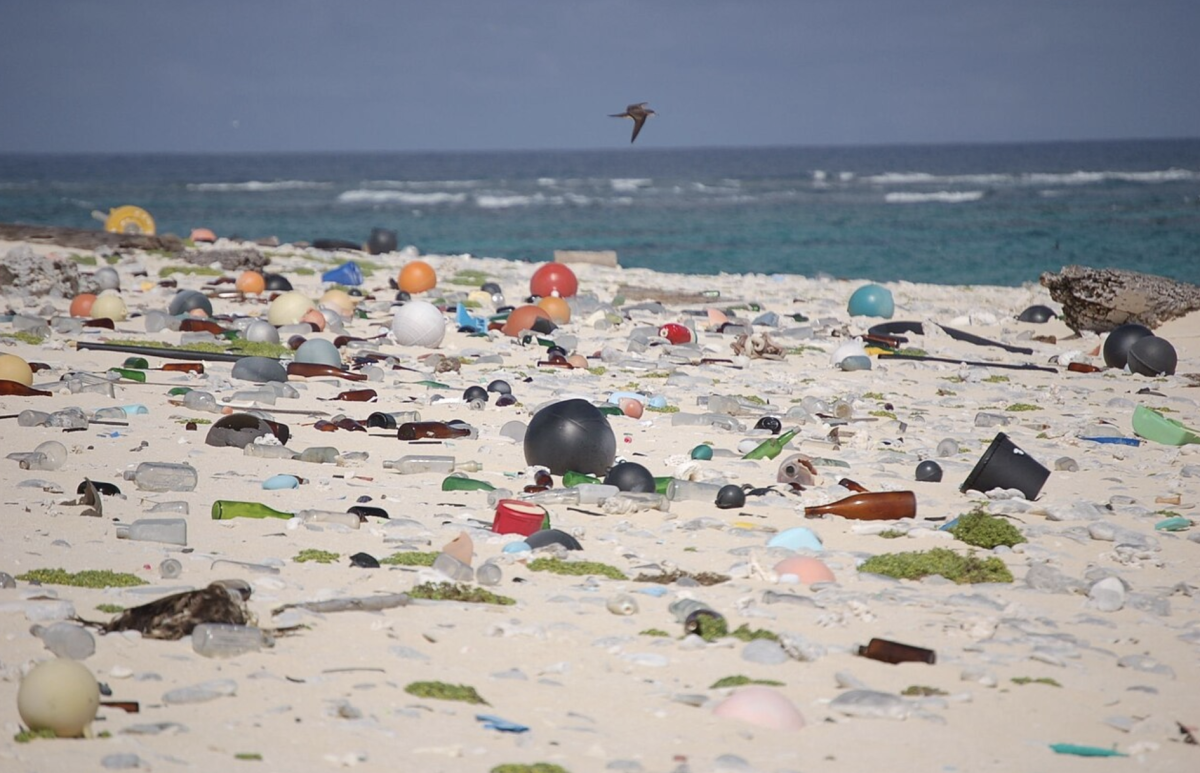
Incorrect sorting in recycling can also indirectly lead to harmful plumes of carbon emission, thereby contributing to air pollution. This is due to the fact that waste facilities and recycling facilities are usually not in the same location. Therefore, once a batch is deemed “unrecyclable” due to a single item, it must be transported to the correct facility by a different truck. This arduous process only detracts from the benefits of recycling, but it can be easily avoided.
Canter reflects, “I wish I had more information about this prior to developing bad recycling habits.” Even so, it is never too late to take accountability and make an effort to learn more about the importance of recycling and the role it plays in our environment.
Recycling is a vital process that allows us to conserve the finite natural resources we have, while also reducing greenhouse gas emissions. The Environmental Protection Agency (EPA) details that “…recycling aluminium saves about 95%, recycling paper saves about 60%, and recycling glass saves about 30% of the energy that would be needed to produce new materials.” According to these percentages, recycling things like soda cans are the most effective, while things like old boxes and mail are still effective but slightly less. There are also cases where instead of recycling you can reuse items you already have in your home, such as glass mason jars instead of recycling glass. By reusing materials, you can still contribute to environmental sustainability just in a different way.
Instead of extracting raw materials, we can ensure “…lower emissions of CO2 and other pollutants that contribute to climate change” according to the Association of Plastic Recyclers.
It is important to be environmentally aware and conscious about how the simple decisions you make everyday can ultimately impact the planet we live on. Recycling reduces the permanent waste we bury into the earth and is not only better for the environment, but also creates job opportunities in areas like waste management and manufacturing sectors. However, even if recycling seems like second nature to you, please ensure that you are doing it correctly, otherwise it loses its effectiveness.
Given the nature of human consumption, we produce more materials than we are able to use. This creates a problem because sometimes even recycled items are inevitably discarded. In order to overcome this, it is better to reuse items that you may already have in your home!
So the next time you are sorting through your trash, or before you throw out that takeout container, take a second to think about whether you are recycling or simply wishcycling.
The Reality of “Wishcycling” © 2026 by Youth Environmental Press Team is licensed under CC BY-NC-ND 4.0. To view a copy of this license, visit https://creativecommons.org/licenses/by-nc-nd/4.0/