


The author is a rising senior in Sacramento, California.
Often the world of science is difficult to break into, particularly science practiced in the field. Nearly all opportunities to participate in field science require previous experience in the field, yet that very experience is hard to gain. However, two students at Rio Americano High School in Sacramento, CA created an opportunity for themselves to gain field experience early in their education, while making a real-world impact on their environment.
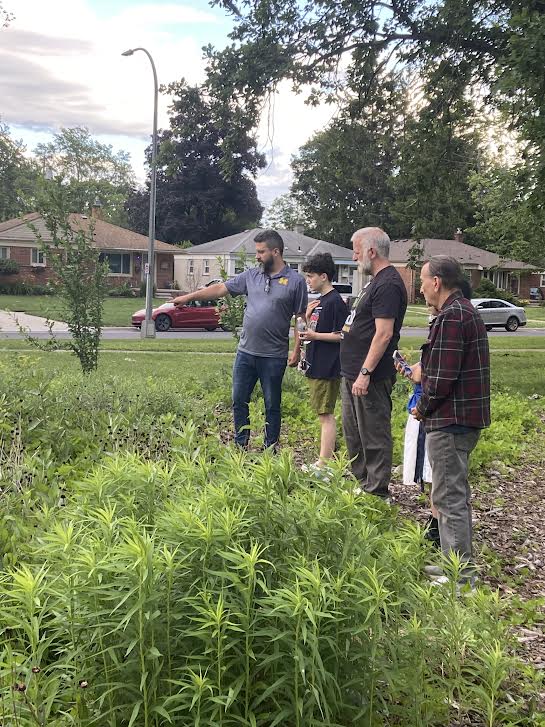
In February of this year, local ornithologist Dan Airola came to speak to the AP Environmental Science classes of Rio Americano. He spoke about his efforts to establish artificial nesting habitat for cavity nesters, which are birds that raise their young in holes in old trees. These artificial nesting boxes are being used to replace the old-growth trees that were being cut down along the American River as part of a flood prevention program. In addition to being part of the conservation effort near and around the American River, his study sought to build a data set that could be used to advocate for more bird-friendly policies. A major goal of his study is to persuade the state to require the installation of artificial nesting habitat to replace old-growth trees when they are removed.
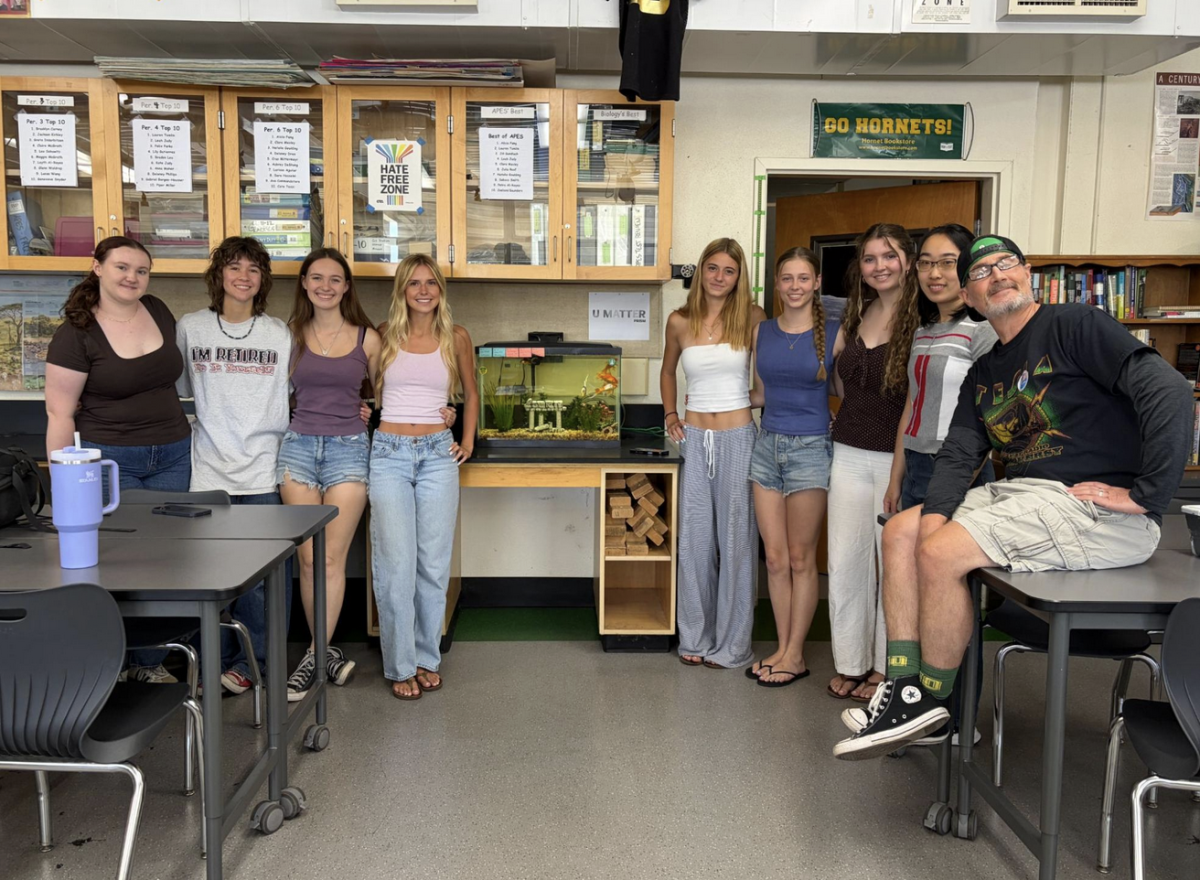
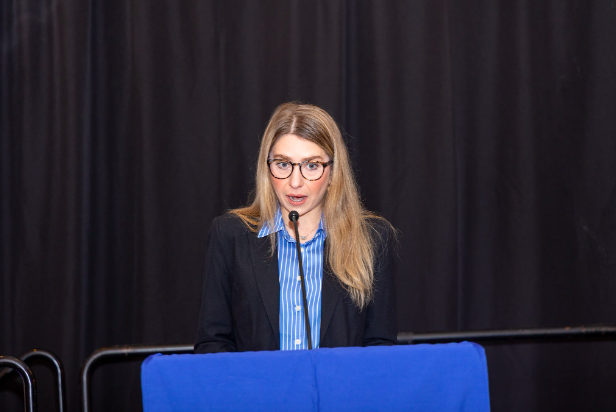
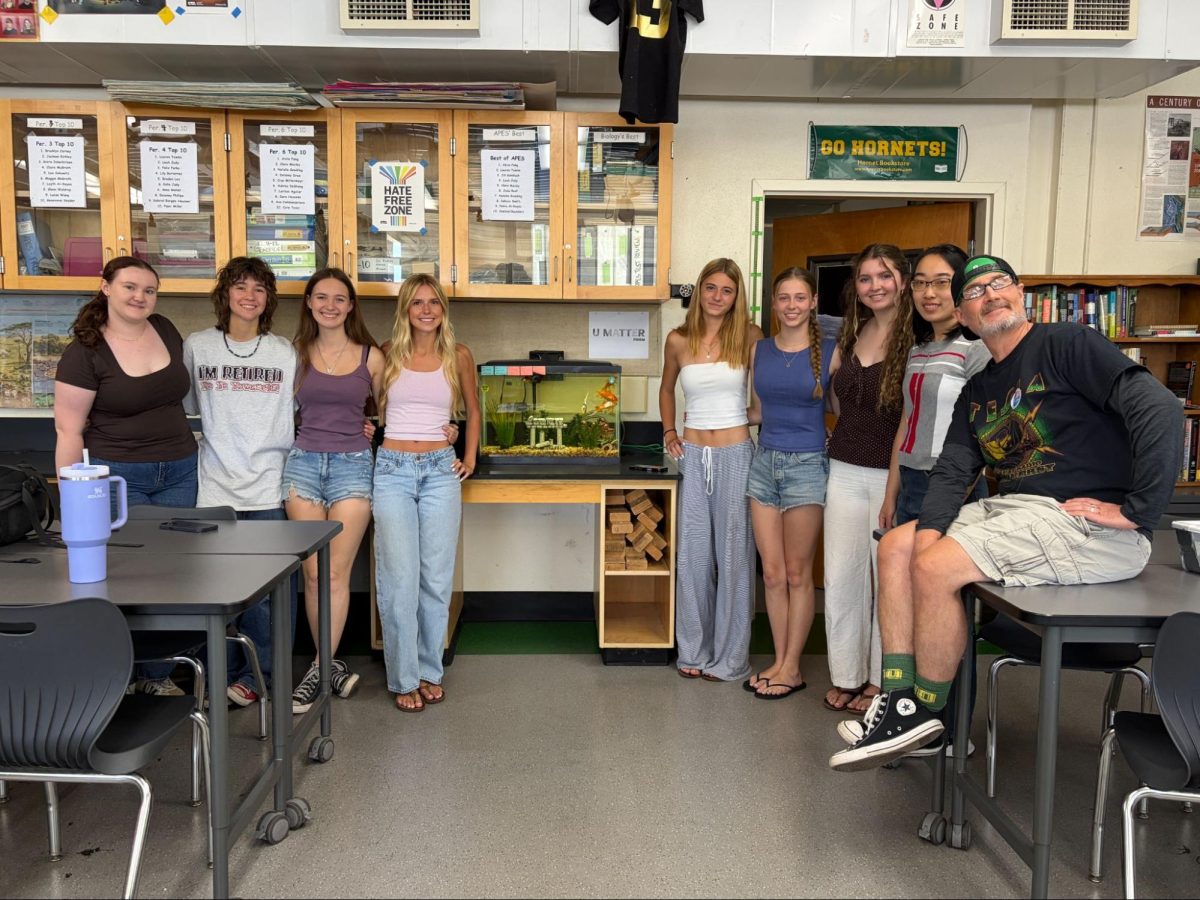
Struck by the importance of the work, students Emma Tolbert and Genevieve Snyder were inspired to attempt a similar study. The students first sought permission from their school district to install ten of their own bird boxes along the school’s fence line, but settled on managing five of Mr. Airola’s boxes located close to the high school. “I thought that what they were doing on the parkway would affect the bird population, so it felt good to know that even if it was small we [would be] making a bit of an impact,” Tolbert said.
In early March, Tolbert, Snyder, and six other students were trained by Mr. Airola and his colleagues on how to properly collect data while avoiding early fledgling, where baby birds can be frightened into attempting to fly too early by efforts to check on them. The students also learned what to do if this occurred.
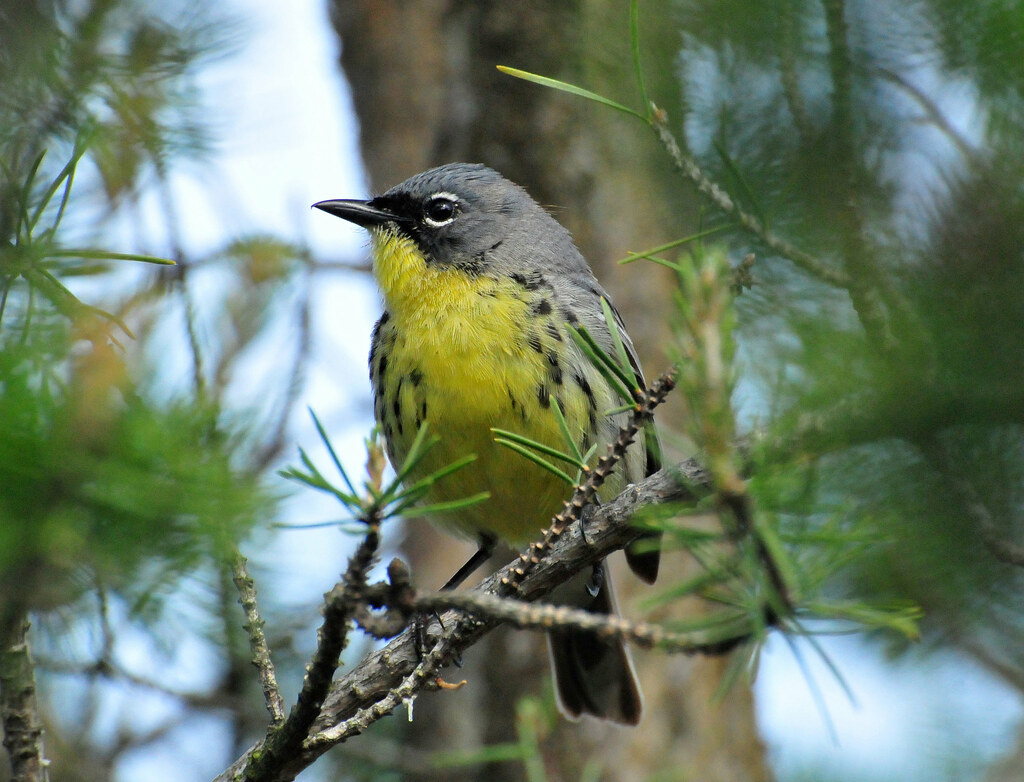
Within two weeks of their initial monitoring, all five boxes were occupied by tree swallows (Tachycineta bicolor). By May 29, all 24 chicks from the first broods had successfully fledged. “It started with no birds in the box. Then they started slowly building nests, and now we have baby birds that are fledging, which is really, really inspiring to see, and makes me feel hopeful because this wasn’t very complicated to put together,” said Snyder. Both Tolbert and Snyder highlighted Mr. Airola’s emphasis on the simplicity of establishing a study of this caliber as one of the driving factors that led them to attempt their own study.
In addition to the project being a conservation effort, the students wanted to contribute their data to Mr. Airola’s larger study. The focus of the study was to determine if double-brooding would occur, which is when birds successfully raise two clutches of young in one nesting season. Additionally, the study asked whether the chances of a second brood would be affected by the presence of a previous nest.
Few of the students thought the boxes would see a second brood this season. But due to California’s extended wet winter, the nesting season continued longer, and within one week of the nesting pair’s first brood fledgling, Box Five was re-occupied by a new set of eggs by the same pair. The students have continued to monitor the boxes into their summer break, as four out of the five boxes are hosting a second brood of tree swallows.
With the nesting season coming to a close, Snyder and Tolbert plan to continue to monitor the birds into the next school year and train the next group of students for the following year when they graduate. They also plan to return to their original idea of installing boxes along the school’s fence line, with the hope that previous experience with a nesting season and additional time before the nest season starts will allow them to work with the school district to gain approval to build and maintain the boxes themselves. “It’s inspiring to see that our direct actions have real world benefits. It’s so interesting to see, and who doesn’t want to see baby birds?” says Snyder.
Next Generation Conservation: How High Schoolers are Carving Their Own Path into Field Biology © 2026 by Youth Environmental Press Team is licensed under CC BY-NC-ND 4.0. To view a copy of this license, visit https://creativecommons.