



Originally published by Trinity Preparatory School (TPS) in December of 2025, this story appeared in ‘The Trinity Voice’ on Feb. 25, 2026. We reprint this story with their permission. The author is a junior at TPS located in Winter Park, Florida.
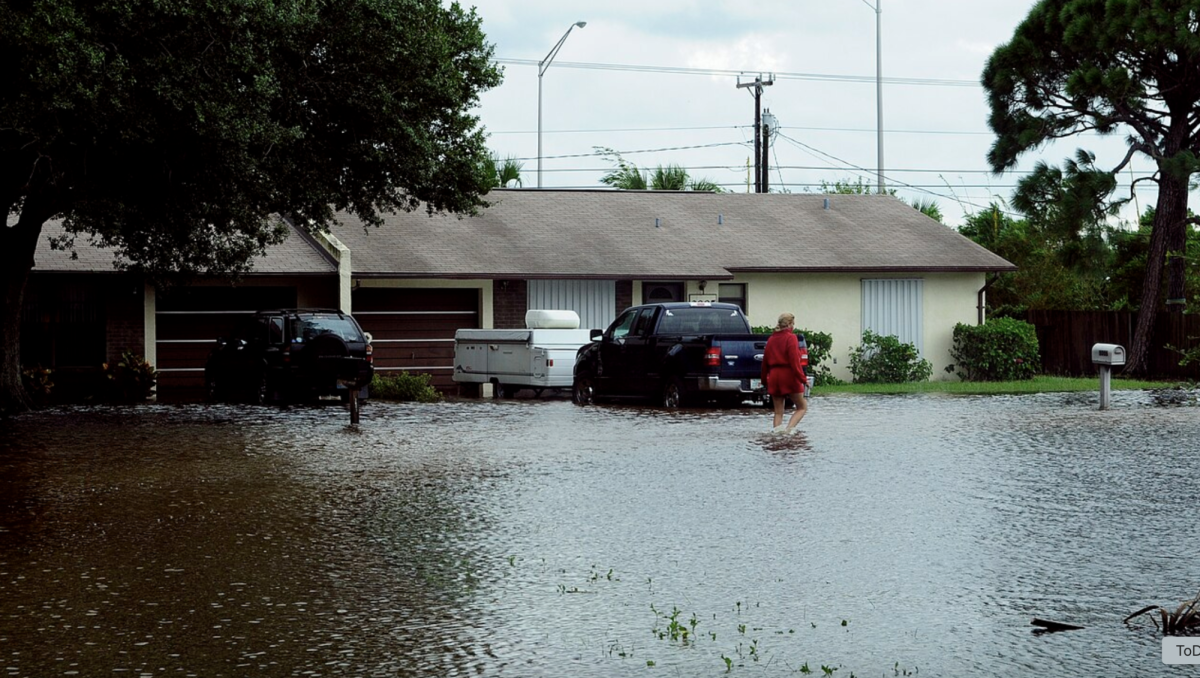
In the heart of Florida, what was once a refuge of endless summer is now a frontline in the climate change crisis. In late October 2025, AP News reported that Central Florida saw nearly 20 inches of rain within 24 hours, comparable to what the region saw from Hurricane Ian in 2022. Many homes were flooded, water systems were damaged and several roads had collapsed, forcing widespread closures. These rains were largely a result of climate change, where rising global temperatures intensify storms and amplify their destruction. Florida’s low-lying land and long coastlines further heightens these risks, as sea levels rise and floods push inland. For communities across the state, the consequences of climate change are beginning to take hold as its effects unfold in real time.
Environmental Impacts
As Florida’s climate continues to warm, the state is expected to face more extreme weather patterns, similar to the floods from October.
“When it’s supposed to be cold, it’s going to be more intensely cold,” [Trinity Preparatory School] science teacher Emily Massey-Burmeister said. “When it’s supposed to be warm, it’s going to be more intensely warm. When it’s supposed to be raining, we’re going to see more intense rainfall.”
This extreme weather will become increasingly threatening to Florida’s ecosystems, especially in coastal areas.
“Sea level rise is going to impact coastal communities and areas,” Massey-Burmeister said. “More intense storm surge is going to lead to more flooding occurring around those coastal regions.”
Increased flooding also raises the risk of invasive species spreading and forcing wildlife into new areas.
“You’re going to start causing species to migrate into higher elevations,” [Trinity Preparatory School] science teacher Brandon McDermed said. “It would mean they’re encroaching on other territories they aren’t normally supposed to be in.”
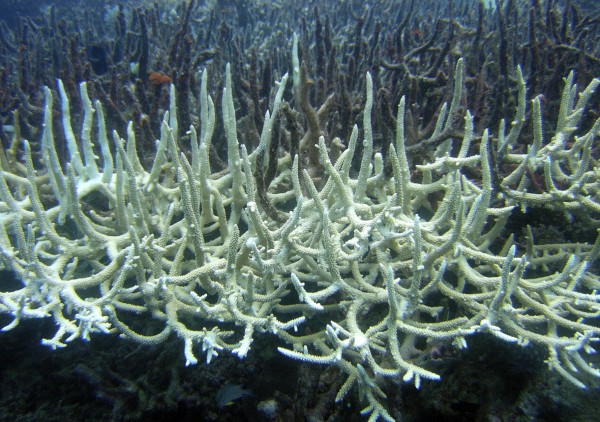
Additionally, ocean ecosystems are facing pressure as pH levels become more acidic, endangering coral reefs and the vast number of species that depend on them.
“The pH is going to get out of a range to where the coral is going to die off,” McDermed said. “Coral is a biosphere in itself (and) a total food chain where all these animals rely (on it) not only for shelter, but for food. And if they die off, then all of those animals follow behind them.”
This loss of biodiversity extends beyond the ocean too. As climate change rapidly alters other habitats, many species across Florida will struggle to survive.
As the floods that occurred in Central Florida destroyed key infrastructure, such as roads and water systems, they also highlighted the need to update and improve existing systems.
Infrastructure Impacts
As the floods that occurred in Central Florida destroyed key infrastructure, such as roads and water systems, they also highlighted the need to update and improve existing systems.
“Some of the systems we’ve built in the past to withstand flooding are very outdated now,” Massey-Burmeister said. “And because sea level rise has occurred, you’re going to have to start seeing either communities or the federal government start to invest more in fixing what we currently have.”
Without these improvements, regions at high risk of flooding, particularly coastal cities, could face even more severe consequences.
“As the seas become warmer, it’s melting the polar ice caps and those polar ice caps are filling the ocean,” McDermed said. “So places like Miami and South Florida are slowly going underwater.”
Climate change also threatens public funding for infrastructure. The EDF stated that Florida coastal counties could lose over $100 million in property taxes due to flooding, a number expected to reach nearly $350 million by 2045. Since Florida relies heavily on property taxes to fund schools, police, and road systems, these losses could hinder efforts to maintain and strengthen critical infrastructure.
Financial Impacts
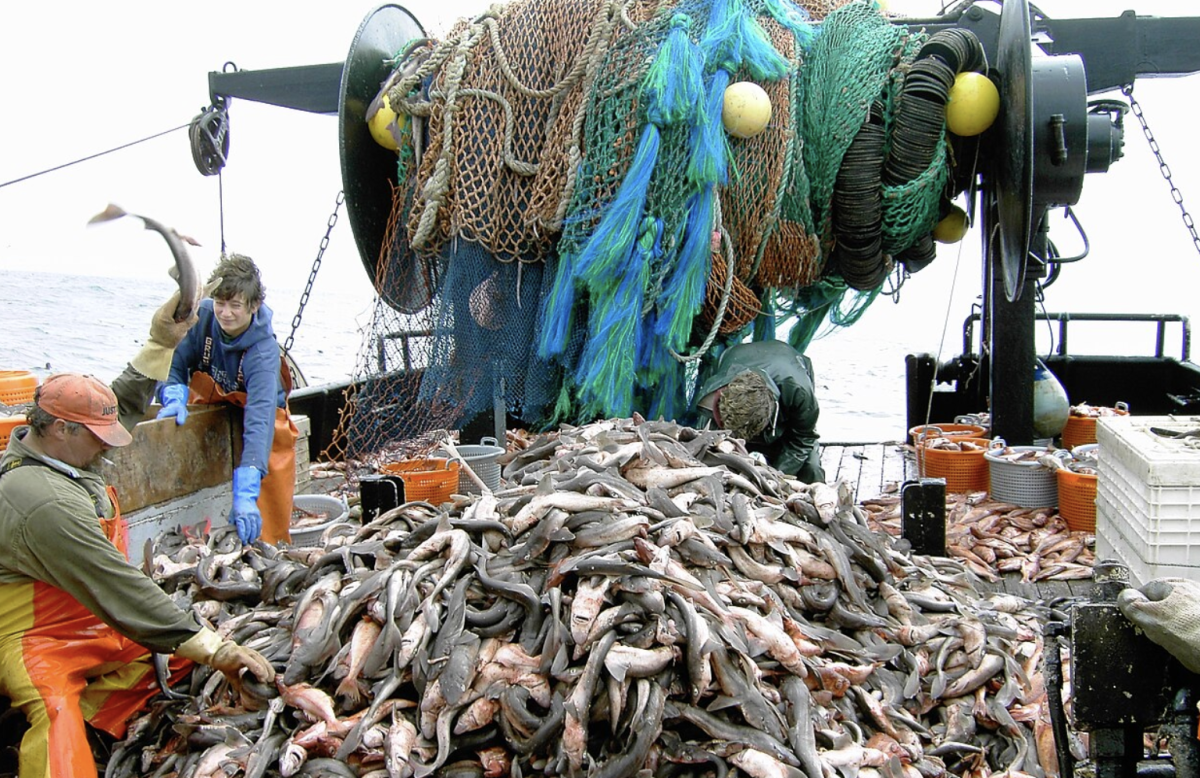
As climate change intensifies, Florida’s agriculture and food production systems will become increasingly at risk.
“If the coral is getting killed (and) the fish are starving, the amount of fish we collect to sell to markets is also going to be affected,” McDermed said. “If the citrus doesn’t grow well enough because it’s too hot and things like that, you have to think about what we are making our money off of.”
The financial costs extend far beyond agriculture too. A 2020 report from the Environmental Defense Fund (EDF) found that Florida electricity bills are expected to rise more than 5% annually, hitting low-income households the hardest, many of whom already spend 8-10% of their income on electricity. Floridians currently pay 13% more than the national average for energy costs, a gap expected to widen as temperatures rise.
The financial strain from worsening storms is also being felt throughout Florida’s housing market.
“A lot of insurers are leaving the state because they’re having to pay out claims for extreme weather situations,” Massey-Burmeister said. “While we haven’t had any flooding personally, just to get coverage for homeowner’s insurance has gone up in the last couple of years.”
Tourism, another major economic pillar, faces similar threats. The Everglades Foundation warns severe flooding could erode thousands of square miles of coastline by 2070, potentially costing 1.5 million jobs and more than 131 million annual visitors.
Psychological Impacts
While climate change imposes several environmental, infrastructure, and financial burdens, it also equally inflicts significant psychological challenges.
“Losing your home, especially from hurricanes, floods and all of that stuff is traumatic,” TPS psychology teacher Michael Brown said. “After you go through that trauma, you now have a stress disorder. It can damage your productivity, it can damage your ability to communicate with others, and there’s a lot of different disorders that can then branch out of it.”
Separation from family and loved ones, often caused by climate-related disasters, can also trigger symptoms of depression and anxiety.
“Being without your family or breaking away from your family means you’re now removing your safety net,” Brown said. “You’re removing your people, the people that care for you, look out for you, but also the people that make you feel safe.”
As these psychological challenges build after a disaster, they can also take a physical toll.
“Your metabolism will slow down,” Brown said. “Your immune responses will slow down. You’ll probably get sick more often. You’ll probably be stressed more often. A lot of physical issues would probably go along with your overall emotional and mental depressive symptoms.”
Conclusion
Florida’s shifting climate is no longer a distant warning but a present reality transforming the state’s environment, economy and daily life. From record-breaking floods and unpredictable temperature swings to collapsing ecosystems and mounting financial strain, these changes are not just isolated events but interconnected challenges affecting Florida communities. However, by strengthening public awareness and making informed, climate-focused decisions, Florida can prevent future damage and secure a more sustainable future for generations to come.