





The authors are students at Bloomington South High School in Bloomington, Indiana. An earlier version of this story was published in BSHH’s paper, ‘The Optimist,’ on Aug. 28, 2025.
In Indiana, resistance to data centers has exposed a point of tension in the rapid expansion of artificial intelligence. Citizens are rallying against proposed data centers from megacorporations that offer shallow promises of added jobs and no effect on local energy costs. Some of these public protests have been successful, stopping companies like Google from breaking ground on new data centers, such as a project in Franklin Township, Indiana. This picture offers an opportunity for communities to influence the extent that A.I. will reach into their lives by challenging the infrastructure upgrades required for expansion.
A major factor luring technology companies to build data centers in Indiana is a 2019 government tax exemption. The Indiana Economic Development Corporation (IEDC) has issued a tax exemption on centers, for 25 or 50 years, depending on the amount invested.
According to Ben Inskeep from Citizens Action Coalition, an Indiana consumer advocacy group, this exemption is to be used in a proposed Google data center in Monrovia, Indiana. The deal could save Google up to billions of dollars while only creating 50 jobs for the local economy. The 1,200 megawatt center would consume unprecedented amounts of energy, double the annual usage of all Indianapolis’s residential electricity customers combined, not to mention a concerning 4 million gallons of water per day, according to the Indiana Economic Digest.
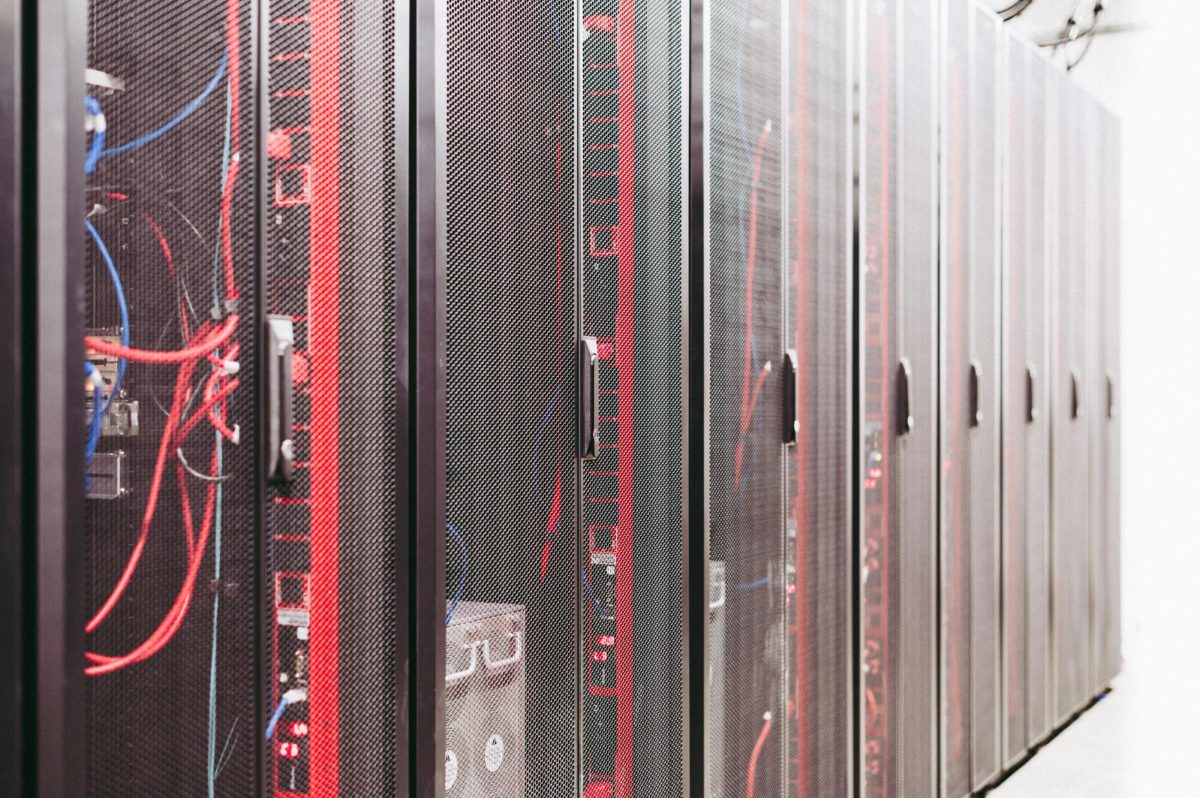
The relationship between artificial intelligence, data centers, and resources like water and electricity is complex and often hard to understand. A.I. programs, including large language models (LLMs) like ChatGPT, do not just exist virtually. They rely on data centers to store physical hardware, which runs its applications and algorithms. Data centers are constantly moving cool water through the building to keep its servers from overheating. This can put a strain on local water supply, especially in locations where water is scarce.
One of A.I.’s most resource intensive functions is training LLMs. The World Economic Forum states that training OpenA.I.’s ChatGPT-3 consumed just under 1,300 megawatt hours of electricity, which can be compared to the annual power consumption of 130 US households. Each time the model releases a new advancement, the energy demand increases. ChatGPT released version 5.2 in December 2025.
This extreme energy use puts stress on the electrical grid, which is the network of power plants, transmission lines, and distribution centers that brings electricity to homes and businesses.
In 2023, data centers accounted for 4.4% of total US energy consumption, according to the 2024 United States Data Center Energy Usage Report. The report estimates that by 2028, this amount could be as much as 12%. This huge increase is a direct result of A.I.-driven infrastructure.
With this spike in energy use, electricity grids will increasingly rely on power plants that use fossil fuels. Proposed transitions to wind or solar power are pushed further into the future, which has detrimental implications on the global climate crisis. Even in Indiana, energy utilities have pushed back dates to begin phasing out coal, according to Citizen’s Action Coalition.
Amanda Figolah, AP Environmental Science teacher at Bloomington High School South, said the effects of data centers on the environment are “a gigantic setback for any progress being made on energy conservation or offsetting carbon emissions with renewable energy.” In an email, Inskeep added that he is worried about more A.I. data centers “leading coal plants to stay open instead of retiring” and how “our utilities are now planning to build much more natural gas generation than they were prior to A.I. data centers.”
Indiana is currently booming with data center activity from companies including Google, Meta, Amazon, and Microsoft in many cities in every corner of the state. Some hyperscale A.I. data centers, such as Google’s “Project Zodiac” in Fort Wayne are nearing the end of construction. Microsoft’s data center in La Porte is expected to begin construction in early 2026, though developers have faced scrutiny from residents, and county officials are developing a zoning ordinance to address concerts about proximity to homes and noise pollution according to the Indiana Economic Digest.
Despite possibly irrevocable changes being made to Indiana’s clean energy transition, citizens still have the ability to push back against data center expansion, as seen with the halting of the project in Franklin Township. Young people especially have a distinct ability and important need to speak out: as we will be the ones reckoning with these changes, our words carry the power of the future. Inskeep recommends that young people use social media as a platform for change, saying, “many young people have skills that might be less common with older generations, such as being savvy social media users, or the ability to create websites, or the free time to spread the word to other community members.”
Along with voicing our opposition to data centers, people can make an effort to not use A.I. excessively. Kirstin Milks, AP Biology teacher at South, offers a way for students to continue using A.I., while understanding its impacts. She said, “I think the really important thing is that we have to think about using A.I. leanly. So when we use lean A.I., we are very specifically prompting for what we want.” In other words, asking A.I. one detailed prompt instead of many vague searches gives you the result you are looking for without consuming as much energy in the process.
In addition to individual actions, Figolah shifted the perspective more broadly. She said, “young people often have the answers that older people either fail to see or don’t have the will to implement.”
Editors notes: 1) YEPT’s AI policy is to use AI sparingly; 2) YEPT’s parent organization, Earth Charter Indiana, has created a data center toolkit to assist citizens in educating themselves about this issue.
Can Data Center Expansion Be Halted? © 2026 by Youth Environmental Press Team is licensed under CC BY-NC-ND 4.0. To view a copy of this license, visit https://creativecommons.org/licenses/by-nc-nd/4.0/