







The author is a junior in Florida and a YEPT Director.
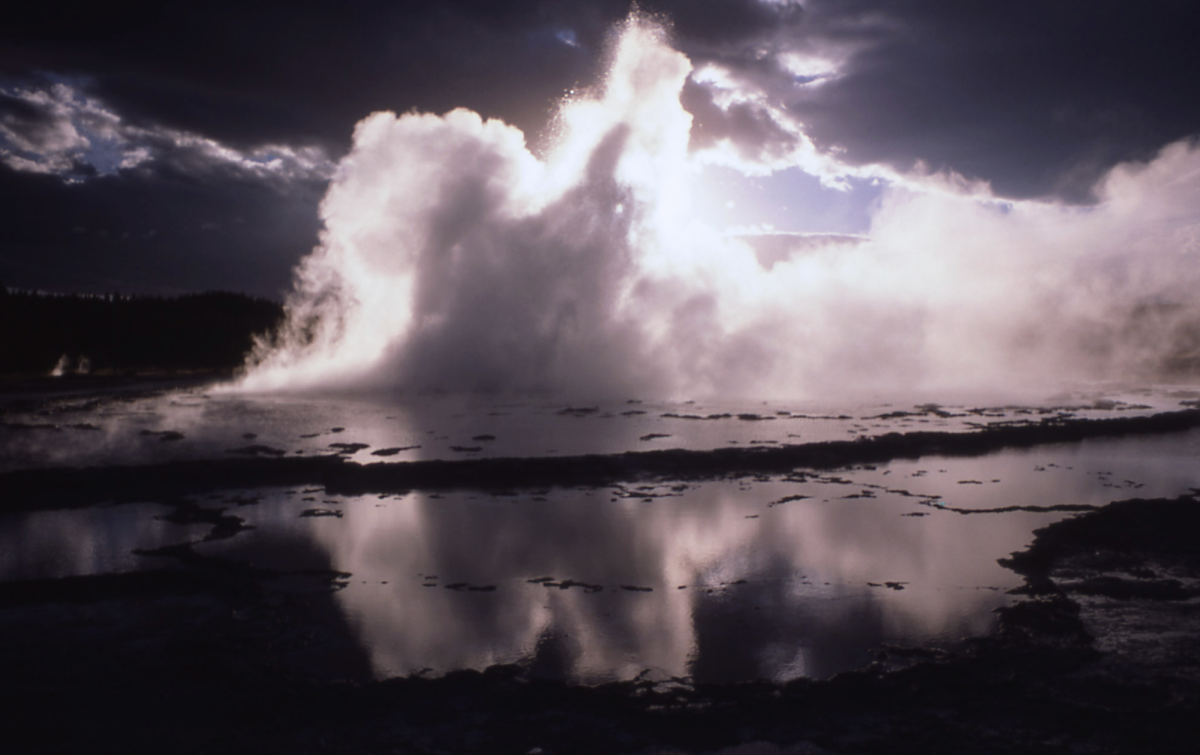
From the Yellowstone National Park in Wyoming to the Florida Everglades, national parks are once again opening their doors to visitors in the wake of the longest government shutdown in United States history. The shutdown, which lasted a total of 43 days, led to the full and partial closure of hundreds of national parks across the country. Following the reopening of the government Nov. 13, 2025, these parks have gradually begun to return to their previous state after weeks of neglect. But is there more to this recovery process than meets the eye?
The government shutdown, which began Oct. 1, 2025, allowed for the continuation of operations within national parks despite concerns regarding understaffing. Reports released at the start of the shutdown indicated the furloughing of around 9,000 staff members. Only a small percentage of staff continued to work, and those individuals did so without pay.
Another prominent threat to parks experts rose during the early stages of the shutdown was the lack of funding. Under the Federal Lands Recreation Enhancement Act of 2004, federal agencies are permitted to collect entry fees from visitors of recreational lands such as national parks. Roughly 80% of the collected funds are spent in-site, often used for scientific research and to enhance the guest experience. However, over the course of the 43-day-long shutdown, these agencies were unable to collect said fees, leading to a revenue decline of approximately $1 million per day. Nevertheless, parks in states such as Utah and West Virginia remained open due to state funding, while others were able to function due to the support of various nonprofit organizations.
But the issues of understaffing and funding persisted long after the U.S. Department of the Interior decided to keep certain national parks partially open.
Government shutdowns pose a number of challenges to the physical environment of parks, namely vandalism, “damage to cultural sites, and trash and human waste overflow,” says the National Parks Conservation Association. The same issues occurred during the 2025 government shutdown.
Due to the lack of staff and funds necessary to upkeep the facilities of national parks, these issues soon became apparent to tourists as time passed. A report by WLRN, released Oct. 14, details the experience of Everglades visitors, one of whom claims that “The green areas at Flamingo [a section of the Everglades] are very poorly maintained.”
Furthermore, these cuts led to the resurfacing of safety concerns expressed during previous shutdowns, namely the 35-day suspension that occurred between 2018-2019. An article published by BBC states that “Conservation groups and former rangers have objected to the sites being kept open during the shutdown, arguing that the decision puts both visitors and park resources at risk.” They also warned that parks lacked the staffing needed to properly communicate with tourists in more isolated areas, amplifying the danger of activities such as hiking and camping.
The suspicions of these conservationists were confirmed through instances such as a wildfire that raged in California’s Joshua Tree National Park. The fire, which reportedly began in a campground Oct. 12, burned 72 acres of land and 1,000 trees over the course of eight days. Firefighters described the event as a “totally preventable tragedy,” says the Los Angeles Times, as “Rangers who could have provided important education about fire safety were not working as a result of the shutdown.”
As the government began to reopen Nov. 13, some of the threats faced by national parks during the shutdown gradually began to fade. Since the reopening, an estimated two-thirds of national park staff have returned to work. Additionally, the Continuing Resolution passed by lawmakers Nov. 12 allows for the resumption of funding for federal agencies, including the National Park Service, through Jan. 30, 2026.
But the full recovery of national parks and their sponsors from the 43-day government closure is far from complete.
The millions of dollars required to keep parks afloat placed a significant strain on the budgets of nonprofit organizations and states involved in financial aid. A story by the Knoxville News Sentinel estimates the cost to keep Tennessee’s Great Smoky Mountains National Park open during the shutdown to be “approximately $1.9 million” for the state and other contributors. Among these contributors is Friends of the Smokies, an organization dedicated to fundraising for the park. Friends of the Smokies spent around $250,000 in reflection of the impact of the 2018-2019 shutdown on national parks. However, the organization has not received confirmation if funds will be reimbursed by Congress.
In other areas of the nation, the situation is similar. In the month of October alone, Zion National Park, located in Utah, lost $1.7 million in entry fee revenue. And, like the funds allocated for the Great Smoky Mountains, the $336,000 spent by the state of Utah to keep Zion open was unable to be recuperated by the government.
Within the parks themselves, staff returning to work are now occupied with assessing the damage inflicted during their suspension. Rangers and volunteers have detailed encounters with vandalism, remnants of illegal camping, and vehicle-related damages to the environment.
The fate of national parks in the United States continues to hang in the balance until January 30, 2026. Unless Congress establishes an official spending budget for the U.S., park staff may have to be on the lookout for another government shutdown and brace for the potential impacts of such an event.
National Parks Face Challenges Amid U.S. Govt. Shutdown and Reopening © 2026 by Youth Environmental Press Team is licensed under CC BY-NC-ND 4.0. To view a copy of this license, visit https://creativecommons.org/licenses/by-nc-nd/4.0/