



The author is a Junior at Bellevue East High School in Nebraska. This story is part of a two-part series on biodiversity published Oct. 30, 2025, and we republish it with their permission. See Brianna Yang’s story for more in this series.
Over a thousand endangered species live across the U.S., impacting many animals, plants, insects, and the groups working to protect them.
According to the United States Environmental Protection Agency, there are more than 1,300 species listed as threatened or endangered in the Endangered Species Act. Nebraska is home to many different endangered species, one of which is the Salt Creek tiger beetle. This species of beetle only lives in Nebraska.
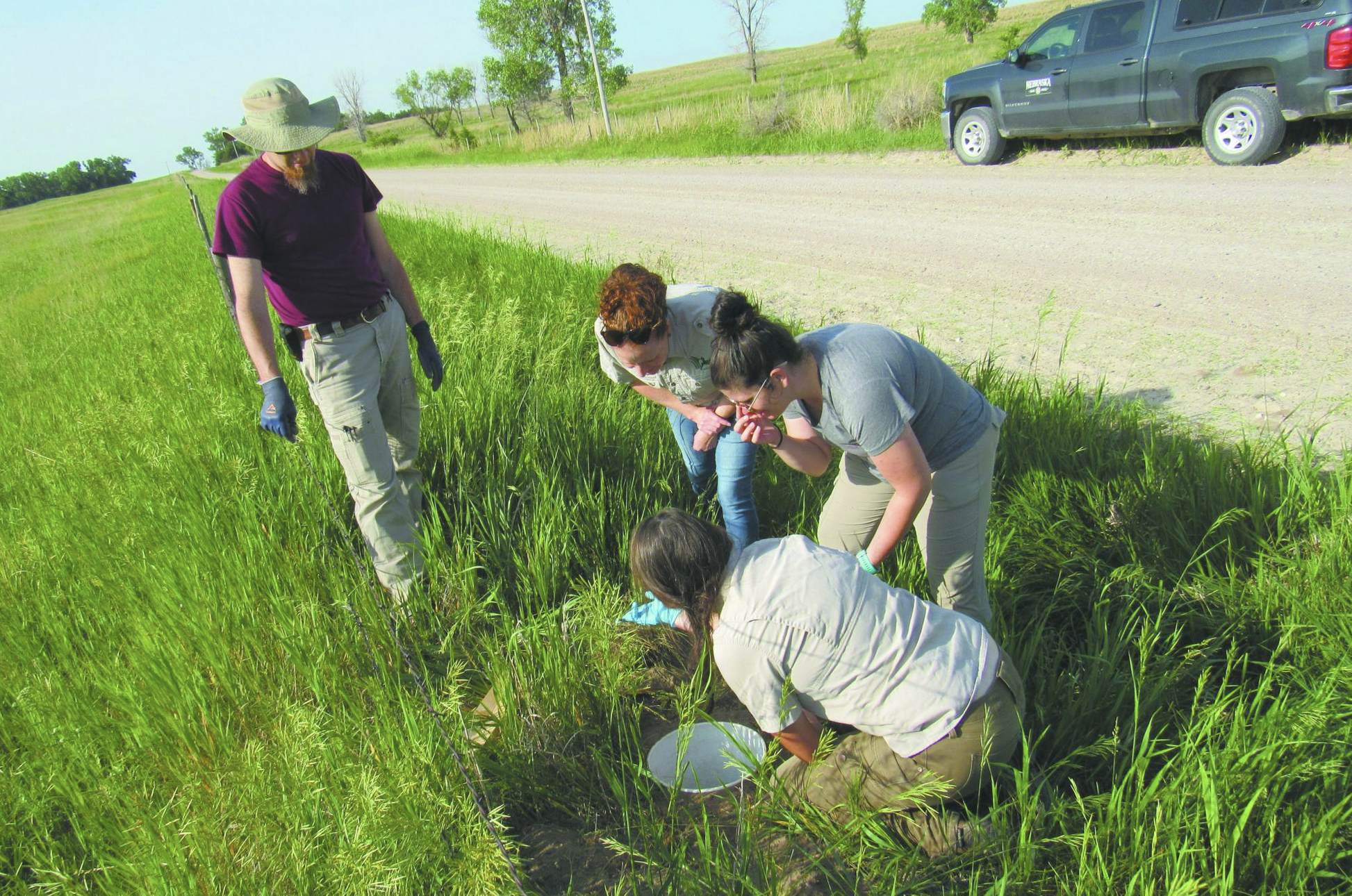
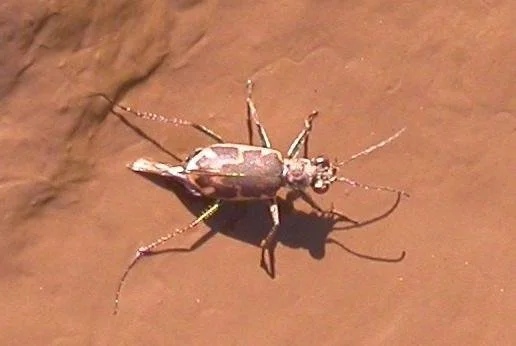
“I work with specifically the Salt Creek tiger beetle,” Nebraska Game and Parks Natural Heritage Program Zoologist Shaun Dunn said. “It’s found only here in Nebraska, and it’s found specifically in the saline wetlands around Lincoln… it’s one of the most rare insects in the world because its habitat is so small and found only around that area.”
Organizations like the state parks work to conserve these species in many different ways. At the state park level, one thing they do is species recovery plans, which work to get species off the endangered species list. They also do research.
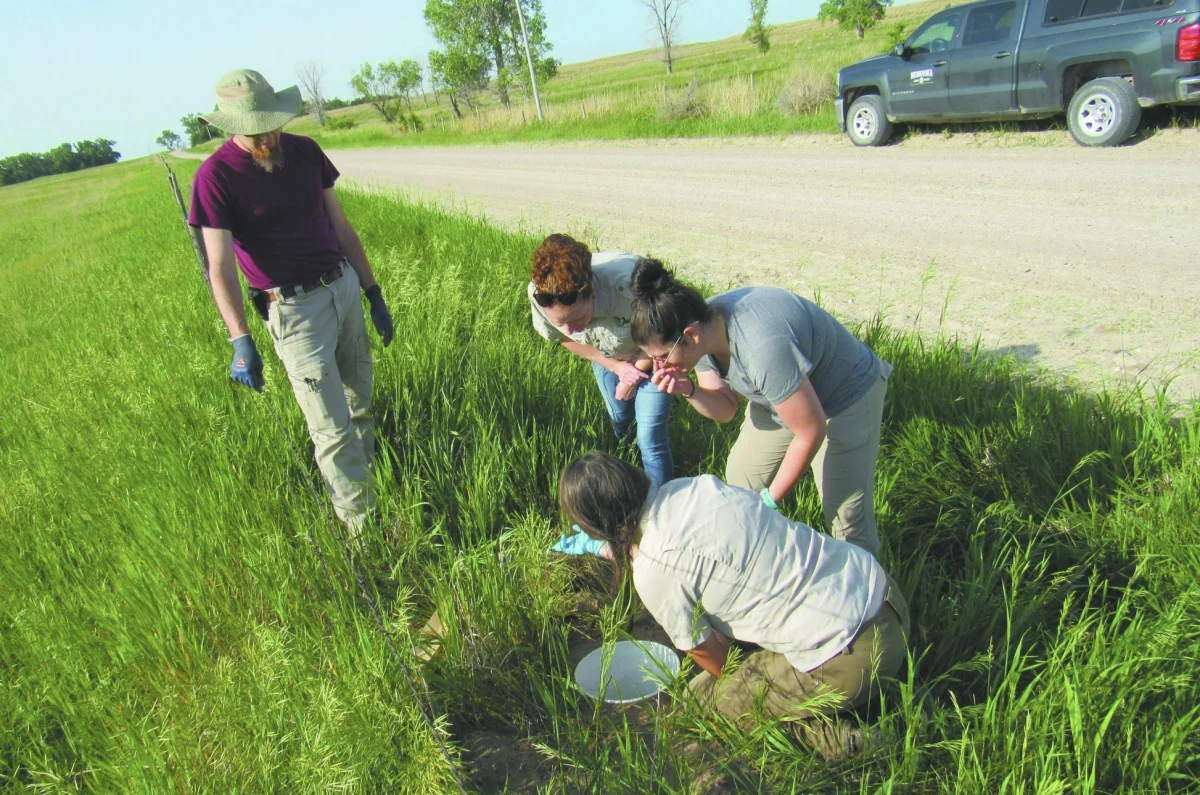
“That typically means that we’re looking at: how do we improve habitat for it? Do we need to learn something more about the species? And that’s [the] research side of it,” Dunn said. “It could be habitat management for, okay, let’s improve the quality of the habitat so they have more area to live in.”
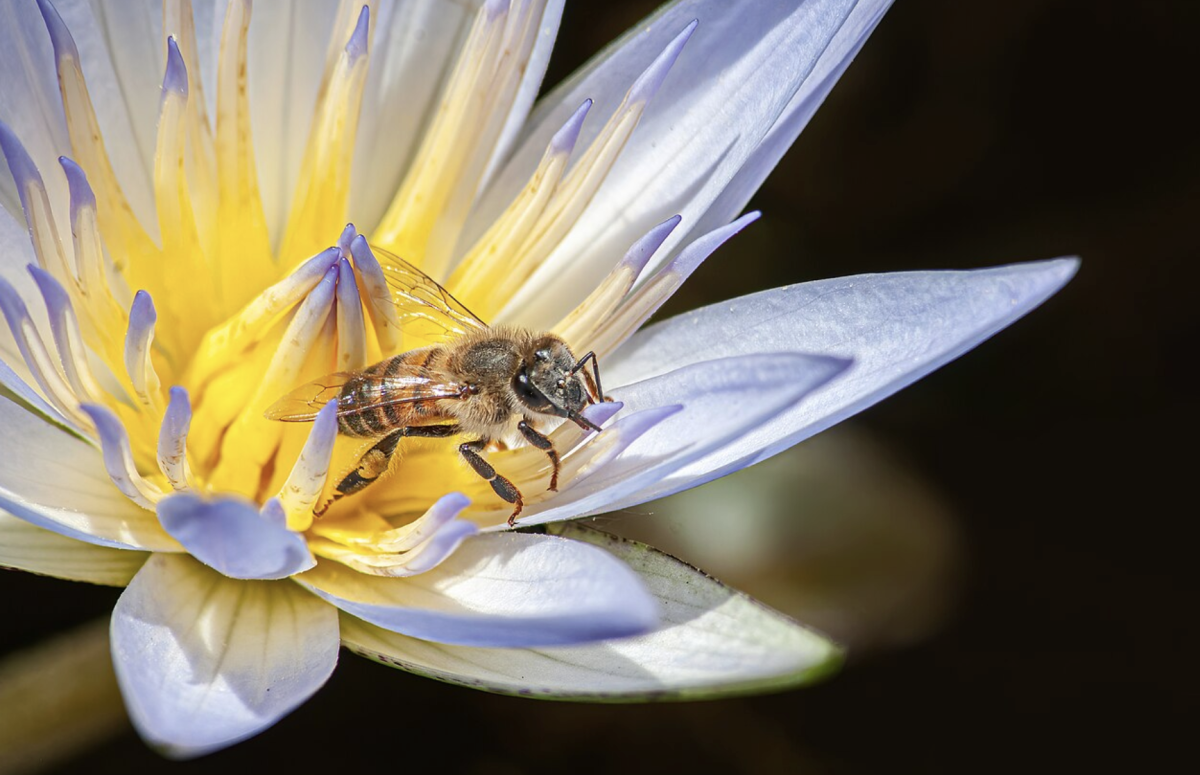
It’s not just animals and insects that are threatened with extinction; plants make up part of the number of endangered species, too. Some places like Lauritzen Gardens work to conserve plants. While Lauritzen Gardens does not work with federally threatened and endangered species, they work with many different rare and declining species across the state.
“What we’re finding in… current research is that these rare plants have… specific jobs within their communities,” Lauritzen Gardens Director of Conservation Katharine Hogan said. “So, in other words, usually these rare plants, they support pollinators that none of the other plants can, or they provide very specific nutrients in their nectar for pollinators or they kind of are a host plant for other species.”
Working in plant conservation entails a lot of different tasks. One thing Hogan is in charge of is deciding which plant species in Nebraska need conservation intervention, and part of her job is surveying the amount of a rare species found in an area.
“I am constantly reviewing the status of our native plants in the area, in the region, and deciding which ones are most in danger of either local extinctions…or complete extinction,” Hogan said. “There’s over 1,500 species of vascular plants that have been documented in Nebraska, and probably about a quarter of them are declining to some degree. So it’s my job to prioritize which species are most in need of conservation action, which ones we can most feasibly work with.”
Some people might have fear when it comes to endangered species and how to protect them, especially if endangered species live on their land. Dunn says he does a lot of work on private lands in collaboration with landowners, but biologists cannot just enter a landowner’s property and do whatever they want. Biologists also work with people in land development projects.
“When somebody, let’s say, wants to put a building in an area where there might be endangered species, they send their plans to us,” Dunn said. “We look those over, make sure that they’re okay, and we have a whole group of biologists that do that.”
The biologists, more specifically workers in the heritage section, also study endangered species and do a lot of field work. Each state in the U.S. has a heritage section, and so does Canada. Their goal is to collect high quality data on the species in each of their respective states and areas.
“So we try to collect those data to keep track of those species,” Dunn said. “And then all of those data from all the various heritage programs basically are put together into one program that can be accessed by… let’s say, Congress is looking at potentially listing a new endangered species. So they will use those data to look at, okay, how are the numbers doing across the various states?”
Public cooperation and interest plays a role in plant and animal conservation. There are many different things, large and small, that people can do to help out these rare and endangered species.
“If you’re planting plants for landscaping, planting native plants is a really great way to start,” Hogan said. “And that’s something you can do if you have a tenth of an acre, like a city lot, or if you have hundreds of acres on a ranch, that’s something that just about anyone can do, even if you’ve got an apartment and you put some native flowers in a planter out on your balcony: really, anything helps.”
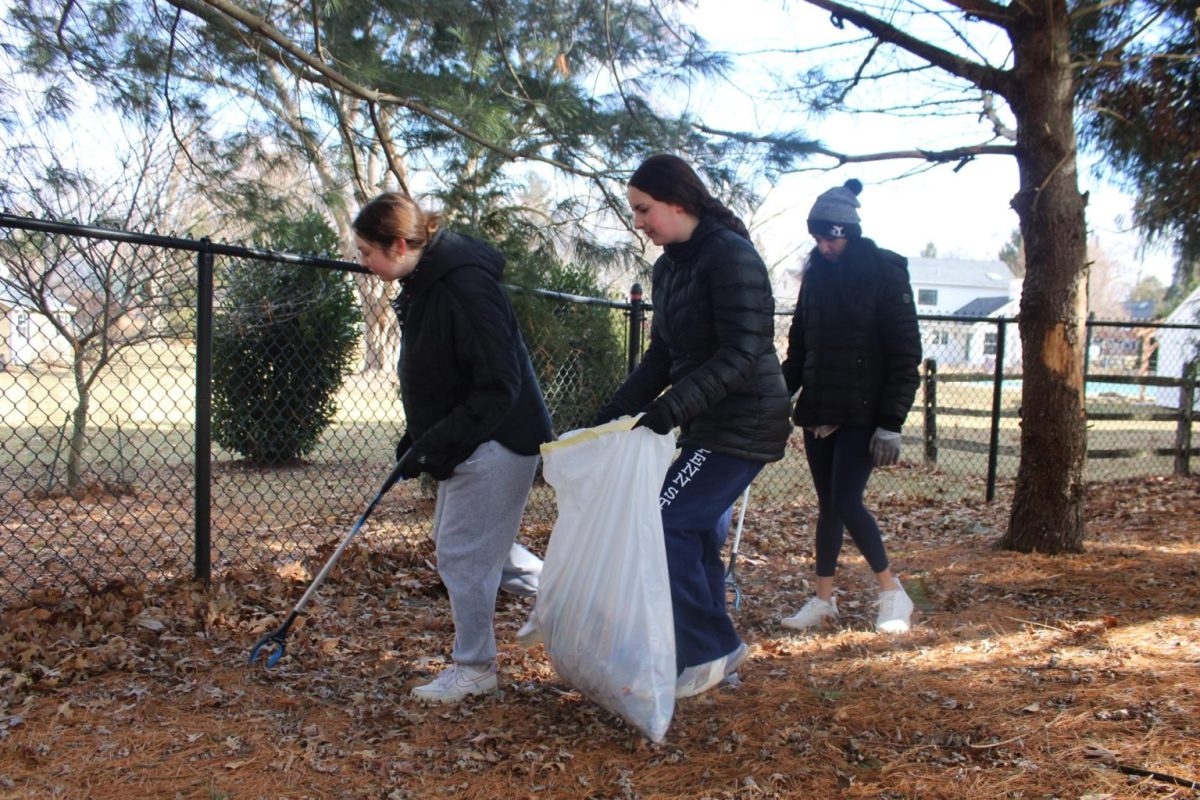
There are also organizations within the local Bellevue community concerned with the environment, such as Green Bellevue. An option at school is Green Initiative, a club focused on the environment that does work in the community, such as roadside cleanups. Green Initiative member Lillian Hagan, a senior, said, “I’m interested in endangered species because I really care about the environment, and I think that ecosystems, like regulating them, is very important, and I think it’s one of the main purposes of being a human.”
Students and staff promote conservation of animal species
By Emily Sterup
Sterup is a Sophomore at Bellevue East High School in Nebraska. This story is part of a series of stories about biodiversity published Oct. 30, 2025, and we republish it with their permission.
School has a large impact on a student’s knowledge of animal species conservation, and some people at Bellevue East believe there are better methods of educating students than what are currently used.
The goal of wildlife conservation is to ensure the survival of endangered and threatened species and to educate people about living sustainably with other species, according to National Geographic. Yet, according to sophomore Hugo Preston, education on conservation received from school only played a small role in his growing knowledge on the subject.
“It’s either self-taught, taught by my mom, and then a little bit of it is from school,” Preston said.
Outside of school, Preston has taken initiative and found ways to help animals including things like volunteering to clean up highways and making donations. Preston said a class focused on animal conservation could help students be exposed to new opportunities advertised through school.
“I feel like most of the students would care and would try to make a change,” Preston said. “There’s people in the school who I know care about animals a lot and would try their best to try to make a difference and a change for endangered and almost extinct animals.”
More and more students are beginning to make environmentally friendly decisions like Preston. Instructor Abigail Ceremuga said she has noticed teenagers are more mindful of where and what they buy than when she was in high school.
“Kids are getting clothes secondhand from Goodwill or from other thrift stores,” Ceremuga said.
Even if dedicating an entire class to learning about animal species may be unrealistic, Preston has a few ideas for smaller in-class activities. He thinks that even short lessons on conservation can provide students with information to start their journey to becoming eco-friendly.
“Pick an animal and teach them about that,” Preston said. “What’s causing them to die, whether it’s predators, pollution, and then list ways that we can make change.”
Instructor Rachel Carraher said that conservation efforts can be simple things like sorting trash correctly at lunch, which is promoted within Bellevue East with many students following the guide. Yet, according to Keep America Beautiful, many younger people are not sure how to recycle, with two in five Americans acknowledging themselves placing items in the trash in fear of incorrectly recycling. This is something Ceremuga said she has noticed and is a reason even deeper education on environmental topics could benefit the community.
“I think typically most people have really good intentions and they don’t want to cause harm, but I think out of not knowing or not being well informed, or just laziness maybe we kind of forget,” Ceremuga said.
Before teachers can begin campaigns like recycling, there must be approval from those in charge. These people are often older and have their mind made up on most things, Carraher said, and that is where it starts to get hard to speak up.
“Us old folks are set in our ways so I feel like they’re less likely to do those things,” Carraher said. “Unfortunately though, the people that are older are the people that are the policy makers and the people that are in positions of power to actually do things.”
In order to make an impact, especially in school, Carraher said she believes contacting representatives and letting them know that these are things that matter is a primary step in the journey to improving the environment.
“So if we want to see change, we have to let them know and be the squeaky wheel that says this is important and this matters,” Carraher said.