


Intro by, conceived by, and edited by Tianwen Gao; Gao is a high school junior in Austin, Texas.
Climate change is no longer a distant danger, it’s an urgent threat that demands immediate attention. The frequency and severity of natural disasters have both increased in the past century due to the industrialization of society. It is clear that our climate will only be more extreme in each coming years. Across the globe, temperatures are rising, storms are more destructive, and the climate is getting more extreme.
Climate change affects everyone’s daily lives. More frequent and destructive storms means the increased destruction of homes and lives. Climate change threatens to derail fragile ecosystems. Human activities weaken and stress environments.
All around us we are provided with proof that the status quo is unsustainable. We must act, not only to save the future but also to salvage the past.
There is no better time to act than now.
The Problem With Picture Perfect Environmentalism
By Tova Weiss, a high school senior in Ann Arbor, Michigan.
Go vegan.
Eat organic.
Bike to work.
Buy solar panels.
Wear exclusively linen and cotton.
Eliminate your carbon footprint.
Every day, potential climate activists are turned off by the messaging surrounding environmentalism. Influencers boast “green” lifestyles demanding hours spent cooking staple foods at home and thousands lost purchasing handmade, “eco-friendly” products. Self-described environmentalists villainize everything from buying items in plastic packaging to driving a gas-powered vehicle.
Instead of bringing people into the battle for a healthier world, this polarization and all-or-nothing messaging creates an elitist cohort of performative environmentalists who claim maintaining an inaccessible ideal of perfection matters more than caring. By creating a society that depicts environmental engagement as a costly, picture-perfect lifestyle involving living strictly farm-to-table and boycotting every mainstream, affordable brand, we ignore some of the most core values that pillar environmental work.
Environmental justice is often discussed without fully understanding the implications behind it. Environmental justice doesn’t just involve “protecting” the communities most impacted by the climate crisis. It means bringing them into the battle, uplifting their voices and fighting alongside them – not silencing them to shout for them. Creating the illusion of a tremendous cost and time commitment associated with environmental engagement pushes out the communities most impacted by the climate crisis. Currently, privileged individuals who don’t experience the impacts of the climate crisis firsthand are pushing an aesthetic version of environmentalism purely to bolster their own personas. As a result, the people whose lives have literally been destroyed by the climate crisis are being pushed out of their own battle.
There’s a strong correlation between being low-income and facing severe impacts from the climate crisis. Low-income individuals often comprise the communities forced to live in closest proximity to environmental biohazards like factory farms. The hefty price tag to environmentalism creates a barrier against some of the most impacted people who could bring the motivation from personal experience.
The more voices that can be brought into the fight for a sustainable planet, the more impactful the movement will be. With a new year comes the opportunity to reframe environmentalism into something accessible for people of all means, something that can look different for every person. Whether your involvement in the environment means going vegan, writing a letter to a congressperson, starting a home compost, or just reading this article, not only is there room for everyone in this fight, but each person is absolutely essential.
Urban Growth, Shrinking Wildlife
By Tamar Grobman, a high school junior in Miami, Florida.
Experts found that between 2000 and 2020, over 3% of natural habitat land in Southeast Asia was lost to urbanization. By 2060, around 7 million acres of rural and natural land in Florida will be adapted for urban use if Florida’s population doubles. Currently, the rate of growth of Florida’s population sits at an increase of approximately 2% per year. This means that by 2060, the population would have increased by more than 60%. While population growth suggests greater housing opportunities for humans, they indicate the opposite for wildlife. So how can we ensure the protection of native species as urbanization rates continue to skyrocket?
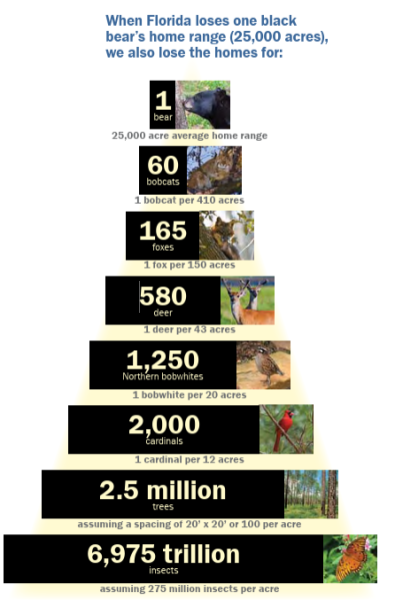
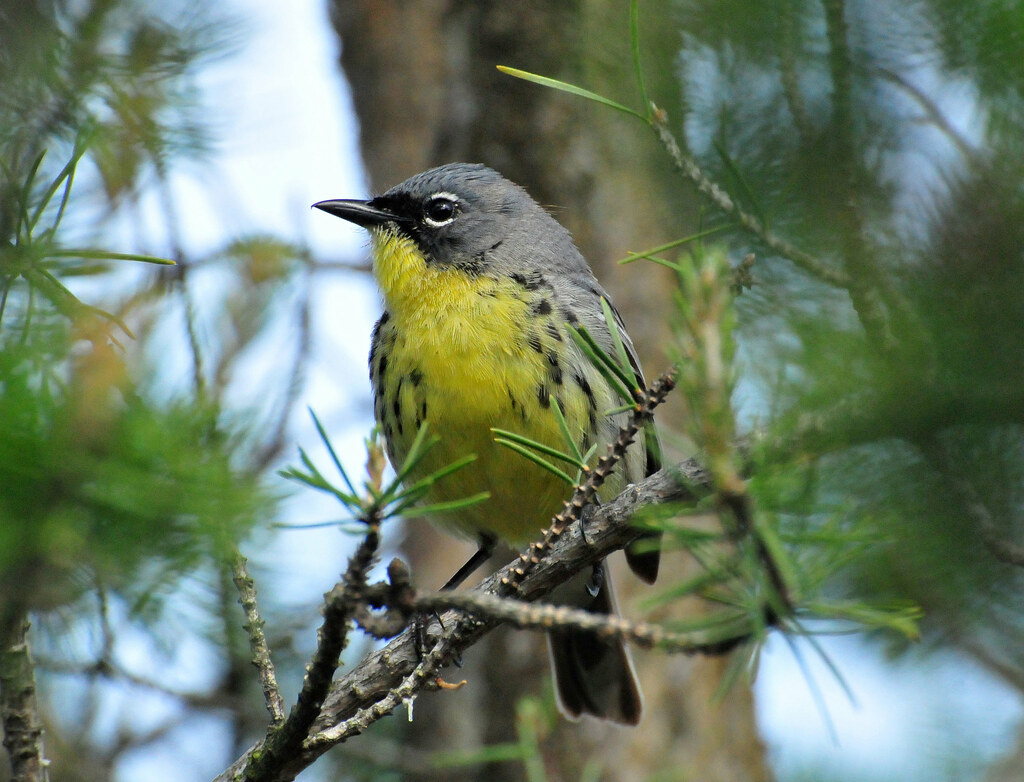
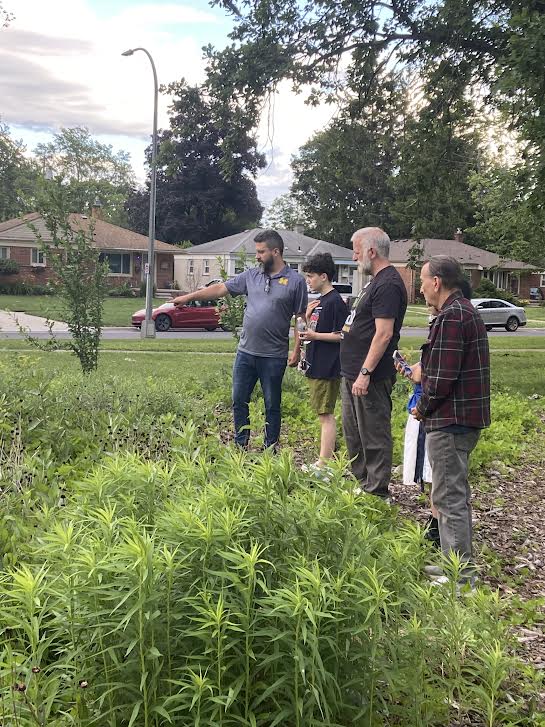
Planting native plant species in one’s own plot of land has been promoted by environmental experts as a method of conservation. These plants are able to support a variety of species with their many beneficial properties; they may act as a source of nectar for pollinators and provide food to animals in need. However, native plants worldwide are constantly at risk of extinction due to rising urbanization rates. Alongside the physical removal of plants during the construction of cities, urbanization has also paved the way for the diffusion of invasive species.
Invasive species are particularly detrimental to ecosystems in urban areas, as they serve as hotspots for their growth and reproduction. Additionally, these invaders compete with native species for resources, transform food webs, and contribute to the addition of unnecessary nutrients in the environments they conquer. But the solution to this crisis is much more straightforward than it seems. The reduction of alien species can be accomplished through measures as effortless as cleaning one’s fishing and hiking gear and not releasing pets into the wild. Such precautions will ensure that even the smallest species will not be transferred between ecosystems. If we allow for the continued success of invasive species, we not only enable the extinction of native plants, but also the dying off of the animals that rely upon them.
Another way in which humans are able to support surrounding wildlife is through composting. Recycling materials into compost and applying them to green spaces can reduce soil erosion, create a habitat in which necessary nutrients and bacteria can thrive in, and fertilize soil. As a result, these spaces may face increased rates of plant growth and biodiversity in a way that is sustainable and beneficial to the overall environment.
But the efforts of citizens alone can only go so far before government intervention is required. In order to prevent the development of a larger environmental crisis, it is of the utmost importance that city governments practice sustainable urban planning. This can be achieved through simple methods such as establishing protected green spaces such as parks and community gardens. Furthermore, cities can better protect animal residents by constructing wildlife “corridors” that bridge the gaps between habitats previously divided by roads and other human-made structures. Using these “corridors,” animals will be able to avoid obstacles such as traffic and safely cross between parts of their habitats.
The journey to restoring native populations devastated by urbanization is far from complete. But if city-dwellers and their governments take action and provide support to the many struggling urban ecosystems, both humans and animals may be able thrive as the scope of human infrastructure expands.
Climate Costs of Our Plates
by Madeleine Bohn, a high school senior in Madison, Wisconsin.
The food industry has an immense climate impact. However, unlike plane trips or extravagant purchases, we can’t simply avoid the industry; we all need to eat to live. So how can we maximize our diet choices to minimize our harmful impact on the environment?
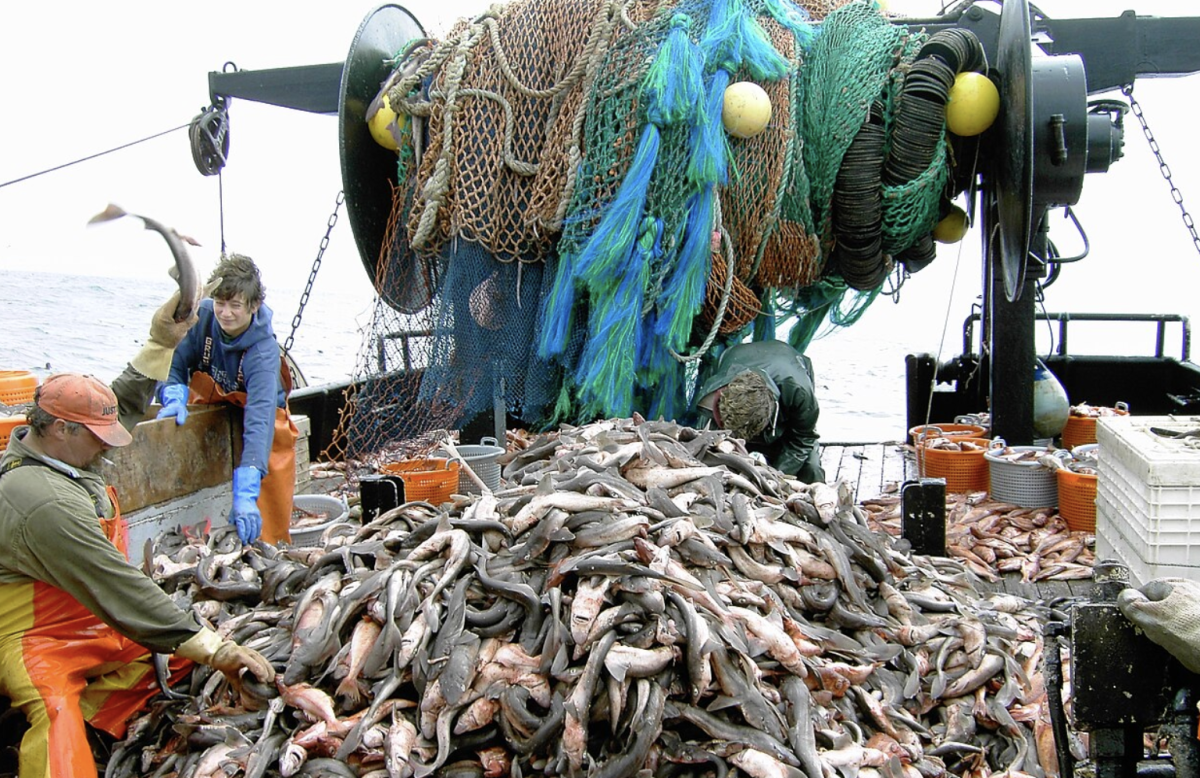
You’ve probably heard of the astronomical greenhouse effect of the meat industry. Factory farming, aside from the many ethical quandaries it begs, is one of the largest climate change contributors. Even when maltreated and raised with minimal food, water, and living space, livestock are still incredibly resource-intensive. At each level of the food chain, around 90% of the energy is lost. The higher up on the food chain we eat, the less of the original energy we’re consuming. Thus, eating lower-down on the food chain, as close to the photosynthesizing sources of energy as possible, is the best way to reduce our impact.
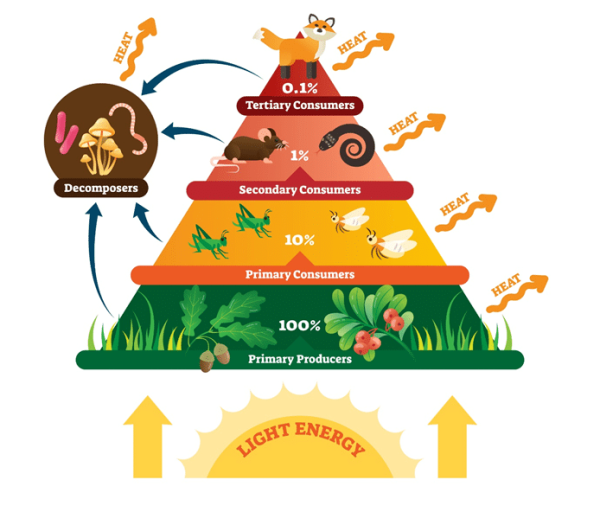
The most impactful way to reduce the footprint of your diet is to reduce animal consumption as much as possible. For some people, this might mean going cold-turkey (er… cold-Tofurkey?) and cutting out all animal products. Mere “reduction” can be a slippery slope into inaction, and some find it easiest to simply cut out animal consumption altogether instead of engaging in an inner debate about which exceptions to make or ultimately failing to significantly reduce meat consumption.
Others, however, might find such a hard line difficult to stick to. For many, the answer may lie in trends such as Veganuary or Meatless Monday, in which individuals reduce their animal consumption for a set period of time or on a set day of the week, respectively.
Cutting out all animal products is the most effective way to reduce our footprint, it is true; but the difference between a vegetarian and an omnivore’s climate footprint is significantly greater than that between a vegan and a vegetarian’s climate footprint. Notably, the impact of common diet trends such as keto and paleo diets are yet higher than that of the omnivore.
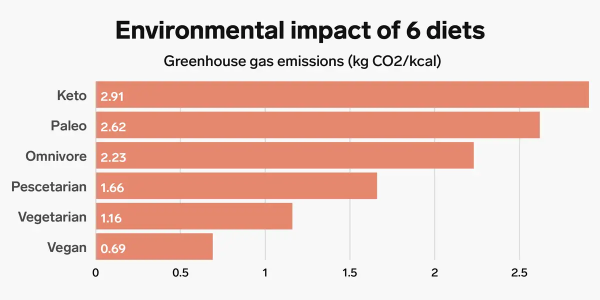
In today’s grocery stores, it is easier than ever before to follow a vegan diet. There is no meaningful justification to continue to consume animal products when we have alternatives available to us. Although fancy imitative meat alternatives can be pricey, when we stick to the basics, veganism makes more financial sense, too. Beans and grains are significantly cheaper than meat.
We have the data that shows us how to make a difference; we have the resources and products to make the transition. 2026 is the year to let go of the emotions and habits that keep us stuck in our heavy-footprint lifestyles.
Clean Energy: The Economic Powerhouse
By Victoria Bogatz, a high school senior in Bellevue, Nebraska.
Environmentalists have touted the benefits of clean energy for decades. Whether it is solar panels or wind turbines, renewable energy reduces the carbon emissions that drive our warming planet. But renewable energy is so much more than just a climate solution. It’s also an economic boost and an affordability game-changer.
The monetary benefit of clean energy is impossible to deny. According to a 2024 International Energy Agency report, clean energy accounted for 10% of GDP growth worldwide in 2023. This growth comes from things like investment in clean energy manufacturing, sales of electric cars, and expansion of job opportunities. Every renewable energy project brings jobs to the community it’s placed in. In fact, each dollar invested in renewable energy creates three times as many jobs as it would for the fossil fuel industry. Furthermore, clean energy project workers spend money at gas stations, restaurants, and hotels as they travel across the country constructing clean energy infrastructure. Clean energy isn’t simply powering our lives; it’s powering our economy’s growth.
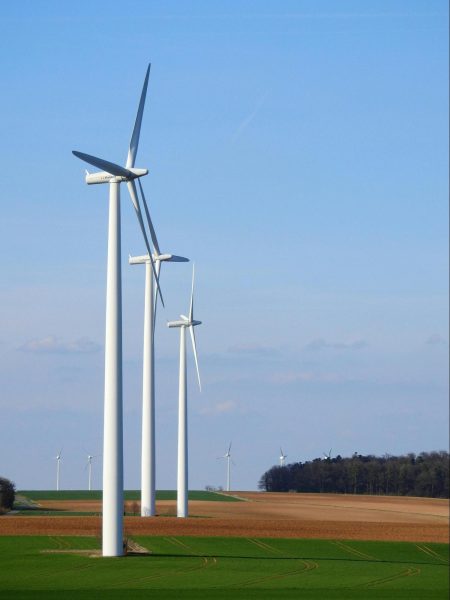
Renewable energy is one of the cheapest and most reliable ways to meet our expanding energy capacity needs. As demand for energy grows from data centers and new infrastructure, power costs have been exploding across the United States. Renewable energy is the best way to build our grid while keeping energy affordable. As of 2025, 91% of renewable energy projects are cheaper than fossil fuels. Why are we shunning a form of energy that, in almost all cases, makes more economic sense than unhealthy and polluting fossil fuels?
We can no longer hide behind the excuse that clean energy is expensive and a burden to the economy. The truth is, renewables are cheap, sustainable, and necessary. Renewables are the future. It’s time for us to bring growth and affordability to our power grid by expanding our use of clean energy.
Climate Catastrophe, Climate Solutions: The Need to Act Now © 2026 by Youth Environmental Press Team is licensed under CC BY-NC-ND 4.0. To view a copy of this license, visit https://creativecommons.org/licenses/by-nc-nd/4.0/