









The author is a rising senior in Austin, Texas.
On a summer afternoon in Central Texas, the shade from a sprawling oak tree offers Texans refuge from the scorching, relentless Southern heat. Many of these trees have stood for centuries, witnessing generations of families, communities, and change. But beneath the soil, an invisible threat is spreading from root to root, silently killing the region’s iconic oak trees. That threat is oak wilt, a disease that has become one of the greatest dangers facing Central Texas landscapes.
Oak wilt is caused by the fungus Bretziella fagacearum, which causes a defensive reaction in oaks, blocking the flow of water inside an infected red oak. Without the ability to transport water, infected trees quickly decline and often die. This disease is especially dangerous in Central Texas, where large populations of live oaks often grow close together. These trees can share an interconnected root system, allowing the disease to spread rapidly underground. Oak wilt has been confirmed in 76 Texas counties, and has killed millions of trees. Not only are these trees an iconic and historic part of Central Texas landscapes, but they also play a vital role in the region’s environment and quality of life. Their expansive canopies provide shade that helps cool communities during the state’s extreme summer heat, reducing energy use and making outdoor spaces more comfortable. According to the USDA Forest Service, trees also absorb carbon dioxide, provide habitats for wildlife, reduce stormwater runoff, help prevent soil erosion, and improve air quality by filtering pollutants. When trees die, those benefits quickly disappear. Studies have shown tree loss can increase urban heat, reduce biodiversity, and diminish the natural resilience of forests to future environmental stressors. Additionally, the Texas A&M Forest Service requires that all infected wood be chipped, burned, or buried to destroy all fungus. This can cause carbon to be released back into the atmosphere.
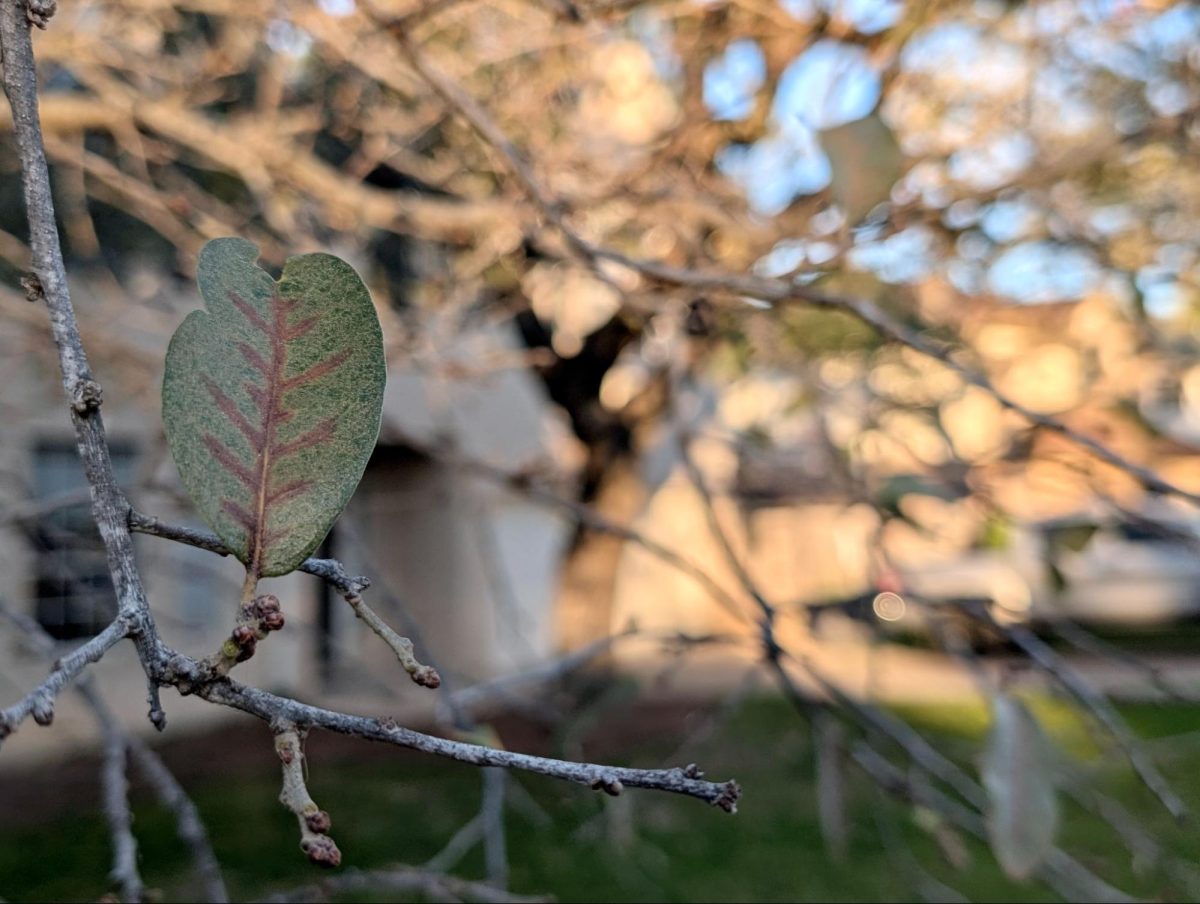
According to Camille Wiseman, a woodland ecologist with the Texas A&M Forest Service, oak wilt spreads both above ground through sap-feeding beetles and below ground through interconnected root systems. Sap-feeding beetles are attracted to fungal mats that form under the bark of infected oaks. These beetles can carry fungal spores to fresh wounds on healthy trees. Wiseman explained that the underground spread is particularly severe in Central Texas because neighboring live oaks are often connected through root grafts, allowing the fungus to spread directly from tree to tree. “On average we see oak wilt moving about 75 feet per year, which is extremely fast,” Wiseman said. This quick movement results in an expanding pocket of dead and dying trees. Recognizing oak wilt early can make the difference between losing and saving an entire group of trees. While symptoms can vary depending on the type of oak, one of the earliest and most noticeable symptoms is veinal necrosis, which occurs when the fungus blocks the tree’s xylem, causing the veins to turn yellow or brown as water movement is disrupted. As the disease progresses, canopy thinning becomes more obvious. Sections of the tree begin to die back, creating a patchy, uneven appearance. In live oaks, a specific type of oak tree, this decline may happen gradually over several months, while in red oak it can occur extremely quickly, sometimes killing the tree within weeks. Because fungicide injections have limited success once a tree is heavily infected, early detection is critical. According to the Texas A&M Forest Service, trenching, which is the process of digging deep barriers to sever interconnected root systems between healthy and infected trees, is the only proven way to stop oak wilt from spreading underground, though it is often impractical in residential neighborhoods. In those cases, fungicide injections are the next best options and are most effective when used early or as a preventative treatment. The International Society of Arboriculture recommends hiring certified arborists with experience in oak wilt management to ensure proper treatment.
Because oak wilt is difficult to stop once it has infected a tree, prevention is the most effective strategy. One key recommendation is increasing species diversity. According to the USDA Forest Service, landscapes dominated by a single species are more vulnerable to disease outbreaks. Since oak wilt travels through the root, it is typically through the same species of oak, so planting a greater diversity of oak tree species serves as an underground “buffer” that slows the spread of the disease. Another important preventative measure involves proper pruning practices. To reduce the risk of infection, the Texas A&M Forest Service recommends avoiding pruning oak trees between February 1st and June 30th, when beetle activity is highest. If pruning is necessary, wounds should be sealed immediately to prevent infection.
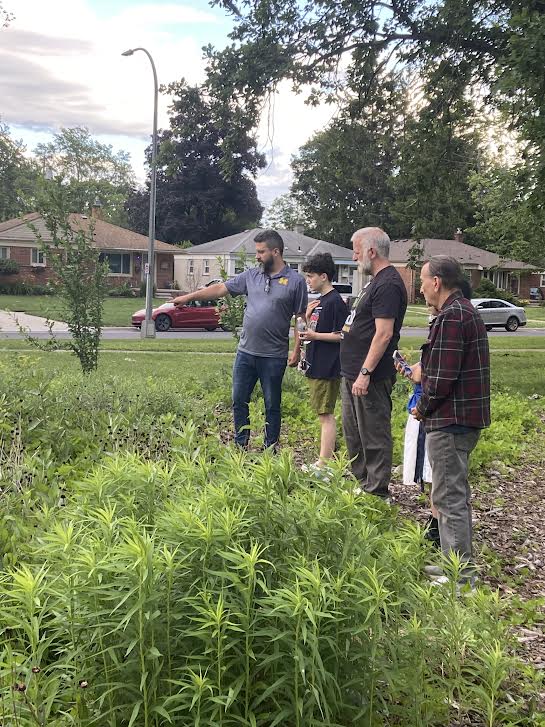
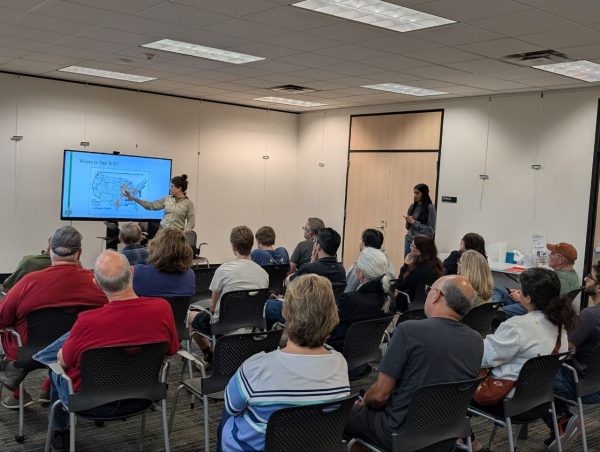
Education and community involvement are equally, if not more, important when it comes to preventing oak wilt. During a recent community oak wilt awareness session in Austin, residents asked Wiseman how concerned they should be if oak wilt is discovered near their homes. “If your healthy trees are within 100 feet of any infected and symptomatic tree, it is worth considering fungicide injections while the tree’s canopy is still healthy,” Wiseman explained. “Communication with neighbors is crucial when dealing with oak wilt outbreaks and to be proactive with treatments in high density neighborhood settings.”
Because neighboring oaks are usually connected underground, the actions of one property owner can affect the health of surrounding trees. By understanding how the disease spreads and following recommended prevention practices, communities can work together to reduce the risk of new infections and help protect Central Texas’s oak forests.
Oak wilt is one of the most serious environmental challenges facing Central Texas, but its spread can be slowed through informed action and community involvement. Successfully slowing the spread of oak wilt requires awareness and cooperation among neighbors, landowners, and communities, as preventing new infections is a shared responsibility. For centuries, oak trees have been a defining feature of Central Texas’s landscapes and ecosystem, and through continued education and responsible management, they can continue to thrive for generations to come.
Oak Wilt: Protecting Central Texas’s Iconic Landscape © 2026 by Youth Environmental Press Team is licensed under CC BY-NC-ND 4.0. To view a copy of this license, visit https://creativecommons.org/